Sponsorship Management Checklist: From Delivery to Renewal
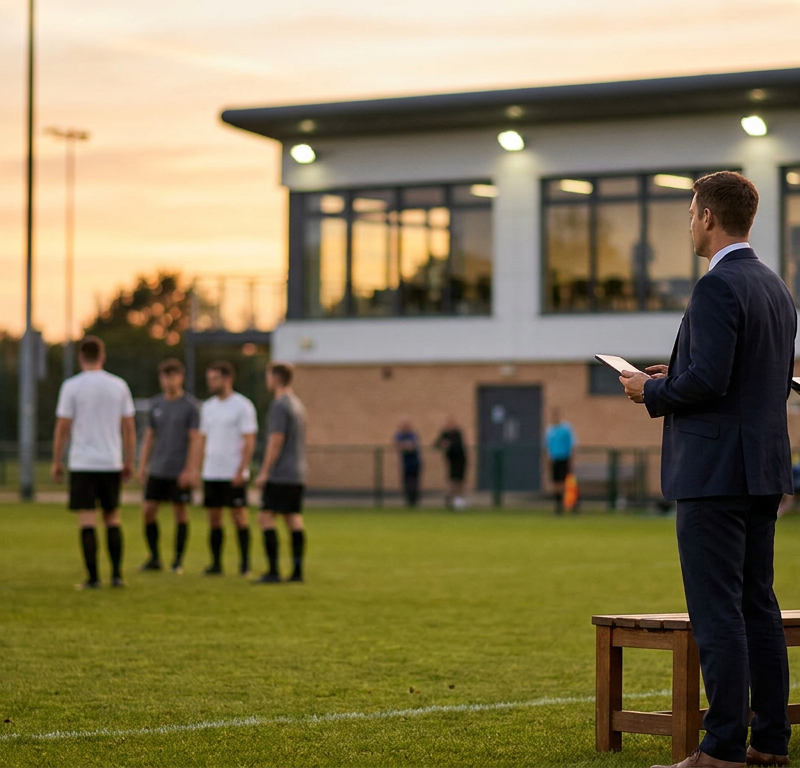
Many sports clubs spend 80% of their energy landing a new deal, but only 20% on managing it afterwards. This is a risky prioritization. In Danish grassroots and divisional clubs, we often see a churn rate of up to 30-40% of the total sponsor base annually if ongoing follow-up fails. By professionalizing operations, this rate can often be reduced to below 15%.
This sponsorship management checklist is created for the sponsorship manager or board member responsible for ensuring the club actually delivers what has been sold. When a sponsor feels overlooked or experiences delivery errors, the path to a "no" at the next renegotiation is short.
Phase 1: Onboarding and Technical Delivery
The first critical point occurs immediately after the signature. Here, the club must ensure that all graphic and practical elements are in place. One of the most frequent causes of irritation among local sponsors is poor graphic reproduction of their brand.
Requirements for Graphic Material
To avoid blurry logos on banners or clothing, the sponsorship manager must set specific requirements for file formats. Many local businesses send a small .png file from their website, which cannot be scaled up to a 3-meter-long perimeter board.
| Exposure Type | Technical Requirement | Responsible in the Club |
|---|---|---|
| Kit printing (player kits) | Vector file (.ai, .eps, or .svg) | Equipment Manager / Sponsorship Manager |
| Stadium Banners / Signs | CMYK color profile, min. 150 DPI in 1:1 format | Facilities Manager / Signage Partner |
| Website and Newsletter | Web-optimized .png with transparent background | Webmaster / IT Volunteer |
| Big Screen / Graphics | 1920x1080 px (or stadium-specific format) | Announcer / Matchday Producer |
Phase 2: Operational Control – "Is the logo straight?"
When the season starts, it is crucial to check the physical delivery. A classic mistake in Danish clubs is forgetting to check if volunteers have put up the new sign, or if the old sponsor's logo is still appearing on the website.
Checklist for Physical Inspection:
- Visibility: Take a walk around the facility. Is the banner placed behind a goal net where it can't be seen? Is it covered by a substitute bench?
- Maintenance: Are the signs dirty after the winter? A quick wash of the banners before the season starts sends a signal to the sponsor that we care for their brand.
- Correct Equipment: Is the first-team coach wearing the new warm-up top during interviews, or is he still using his favorite shirt from 2022 with an expired sponsor on the chest?
Handling Deviations
If an error is discovered—for example, a banner only being put up three weeks into the season—the club must be proactive. Create a short deviation report and contact the sponsor before they contact you.
Instead of giving a discount (which drains the club's coffers), you can offer alternative value that doesn't cost liquidity. This could be a "Meet the Coach" session for the sponsor's employees, extra exposure in the next newsletter, or the opportunity to present the "Player of the Match" award.
Phase 3: Relationship Management and Networking
Sponsors rarely buy exposure alone; they buy a sense of belonging and access to a local business network. Managing this network requires a tight annual plan.
Fixed Points of the Annual Cycle:
- Quarterly Calls: Set aside 2 hours every 3 months to call the top 10 sponsors. Don't ask for money, but ask how their business is going and if they are satisfied with the partnership.
- Invitations: Ensure that invitations to sponsor events are sent out at least 4 weeks in advance. A busy director doesn't plan day-to-day.
- Data Collection: Record who shows up to your events. If a sponsor never comes, they are at high risk of canceling the agreement. In such cases, the sponsorship manager should reach out personally.
Phase 4: Documentation and Proof of Value
When renegotiation approaches, the club must have the evidence in hand. It’s not enough to say "we've been happy with the support." You must be able to show what they got for their investment.
What Should Be Documented?
In a medium-sized Danish club (e.g., 2nd Division or a large grassroots club), you should aim for a "Sponsorship Report" once a year containing:
- Number of Exposures: How many visited the stadium? How many follow the club on social media?
- Networking Activity: How many meetings did the sponsor participate in? How many other businesses did they meet?
- Photo Documentation: Photos of their logo in action (on the jersey, the banner, or the big screen).
Phase 5: The Renegotiation Process
Renegotiation doesn't start in week 51. It starts 6 months before the agreement expires. A good rule of thumb is that if an agreement expires on December 31, the dialogue about renewal should be initiated by August/September at the latest.
| Timing | Activity | Goal |
|---|---|---|
| 6 months before expiry | Evaluation meeting | Align expectations and gather feedback. |
| 4 months before expiry | Presentation of new strategy | Show the sponsor how their partnership will evolve next year. |
| 3 months before expiry | The concrete proposal | Send agreement for signature (before the company's budgeting). |
Financial Retention Goal
In the club, you should measure your "Net Revenue Retention." If you started the year with DKK 1,000,000 in sponsorship revenue from existing partners, how much of that same revenue do you have the following year? A healthy club lies at 85-95%. If you lose more than 15% of your existing portfolio every year, your sponsorship management checklist is either deficient or not implemented correctly.
Frequently Asked Questions About Sponsorship Management
Why should we spend time documenting value for small local sponsors?
Even a local carpenter with a DKK 5,000 sponsorship will feel valued when he receives a photo of the U12 team his company supports. Professionalism in small agreements builds the foundation for the sponsor to grow with the club over time.
What do we do if a volunteer forgets to put up a banner?
Notify them immediately. Offer a small extra service right away, e.g., a post on the club's Facebook page where you specifically welcome the sponsor and link to their site. This resolves the issue immediately and shows initiative.
Who is responsible for operations in a club without employees?
It should be placed centrally in the board, often with a sponsorship manager. However, it is important to delegate the technical part (setting up banners) to a facilities manager and the graphic part to a communications manager, so one person doesn't drown in details.
Is an IT system necessary to manage this?
Yes, once you have more than 20-30 sponsorship agreements, Excel sheets and loose emails become unmanageable. A dedicated system ensures that no expiry dates are forgotten and that all logo files are stored in one place, ready for use every year.
Frequently Asked Questions
Why is ongoing sponsorship management crucial for a sports club?
Management is the key to reducing the churn rate among sponsors. Many clubs lose 30-40% of their sponsors annually by neglecting follow-up. By professionalizing delivery and documenting value, this churn can often be reduced to below 15%, ensuring a stable and long-term financial foundation for the club.
What technical requirements should the club set for a sponsor's logo?
To ensure a professional presentation, the club should always require vector files such as .ai, .eps, or .svg for kit printing and signs. Standard .png files from websites often become blurry when scaled up. Correct graphic material prevents irritation for the sponsor and ensures their brand looks sharp on stadium banners and player kits.
How is it best to handle errors in the delivery of a sponsorship?
If an error is discovered, the club should react proactively before the sponsor reaches out. Instead of giving a cash discount, offer alternative value that doesn't drain the club's coffers. This could be extra exposure in newsletters, a dedicated social media post, or an invitation to present the 'Player of the Match' award.
When should the process for renegotiating sponsorships start?
Renegotiation should be initiated at least six months before the agreement expires. A structured process starts with an evaluation meeting in August/September for agreements expiring at the end of the year. This ensures that the dialogue is underway before the company sets its budget for the coming year, significantly increasing the chance of renewal.
Read more: Sponsorship management for sports clubs
See also
Read more: Sponsorhåndtering til sportsklubber