Where to Apply for Sponsorships? 7 Strategies That Work for Clubs
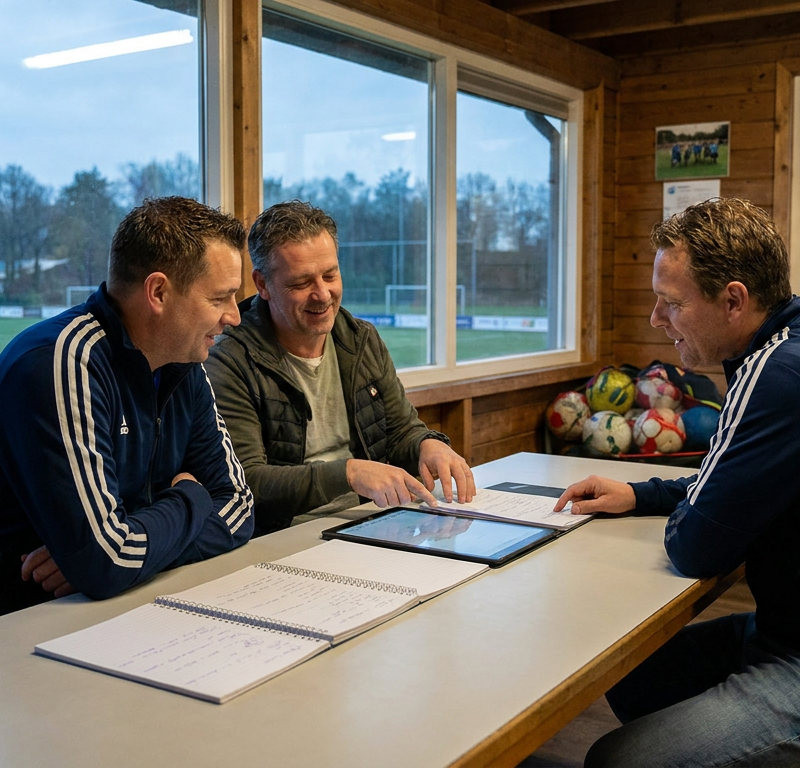
When the sports club’s treasury needs a boost of energy, thoughts quickly turn to new sponsors. But many volunteers and club leaders often hit a wall when the essential question arises: Where do you actually apply for sponsorships if you want more than just a "no thanks" or a polite rejection?
Sponsorship sales in modern sports clubs are no longer about "begging" for money. It is about finding the right match where both the club and the company gain value from the collaboration. To succeed with your partnerships, you must shift focus from your own needs to the company's business goals.
Here are seven concrete strategies for where and how your club can find its next valuable sponsorship deals.
1. Start with the Immediate Network: Parents and Members
The most overlooked place to seek sponsorships is in the club's own member database. Many members or parents of youth players hold decision-making positions in local or national companies. The advantage here is that they already have emotional ownership of the club.
Instead of sending a general email to everyone, you can create a targeted survey or hold an information meeting. Ask directly: "Who works in a company that might be interested in supporting our youth department or increasing their local visibility?" When the relationship is already established, the path to a dialogue about sponsorship sales is significantly shorter.
Everyday Example
A local handball club sent a questionnaire to the parents in the U13 department. It turned out that one of the fathers was the marketing manager at a medium-sized IT company. Because his daughter enjoyed playing handball, he prioritized a meeting with the club, which resulted in a title sponsorship for the entire youth department.
2. Analyze Local Business Life Systematically
Where do you apply for sponsorships if the network is exhausted? You put on your systematic glasses. Create a list of all companies within a 10-15 kilometer radius of the clubhouse. Use business registers or map services to get an overview.
Categorize the companies by industry:
- Retail (supermarkets, clothing stores)
- Trade businesses (carpenters, electricians, bricklayers)
- Professional services (lawyers, accountants, real estate agents)
- Manufacturing companies
Each industry has different motives for entering into sponsorship agreements. A real estate agent might want to be associated with local engagement and family life, while a master carpenter might primarily seek labor or networking with other business owners in the club.
3. Look at the Competitors' Sponsors (With Respect)
It may seem counterintuitive, but companies that already sponsor sports are often more receptive to new partnerships. They have already allocated a budget for sponsorships and understand the value of exposure through sports.
Investigate neighboring clubs or clubs in other sports in the same town. If a local bank supports the local football club, there is a good chance they would also be interested in speaking with the badminton club to cover the town's entire sporting life. However, always remember to differentiate your offer so you are not offering exactly the same as the neighboring club.
4. Leverage Social Media and LinkedIn
Sponsorship sales require a professional presence. LinkedIn is a fantastic tool for finding out who is the marketing manager or director in the companies you have identified. By following these companies, you can keep an eye on their successes.
When a local company wins an award, expands its headquarters, or launches a new product, it is the perfect occasion to contact them. "Congratulations on your new branch – we are also growing in the club and are looking for a partner for our new project." It shows that you have done your homework and are not just sending a standard application.
5. Seek Out Companies with Matching Values
Modern sponsorship management is about matching. If your club has a strong focus on inclusion, the environment, or health, you should seek partnerships with companies that profile themselves on the same topics. This is called value-based sponsorship sales.
If, for example, you plan to install solar panels on the clubhouse or reduce food waste in the café, it is obvious to contact local energy companies or environmentally conscious businesses. Here, you are not just seeking money for balls, but financing for a specific project that the company can use in its own CSR (Corporate Social Responsibility) strategy.
Case Example
A riding club wanted to create an offering for children with special needs. They did not search broadly but targeted their efforts toward foundations and local companies that have "social responsibility" as a core point in their annual reports. This resulted in three dedicated partnerships that covered all costs for the new initiative.
6. Business Networks and B2B Opportunities
Many companies seek sponsorships where they gain access to a professional network. If your club can facilitate meetings between your existing sponsors, it suddenly becomes much more interesting for new companies to buy in.
Ask yourselves: Can we create a business network where sponsors meet four times a year for breakfast and networking? If the answer is yes, you can seek sponsors among companies that primarily trade with other businesses (B2B). For them, a logo on a sign is secondary to the opportunity to meet a potential new major client over a cup of coffee in the clubhouse.
7. Identify "Season-Relevant" Sponsors
Where you apply for sponsorships also depends on the time of year. Many companies set their budgets in the fourth quarter (October-December). This is when you should be most active with your outreach work.
Additionally, you can think in terms of seasonal campaigns. A hardware store or a garden center might be more likely to sponsor a summer tournament in May, while a local energy supplier might see the value in supporting indoor tournaments during the cold months. By timing your inquiry to the company's peak season, you increase the chances of hitting the mark.
Summary of the Good Process
Once you have figured out where you want to apply, good structure is crucial. Sponsorship management requires you to have control over your data:
- Who have we contacted?
- What was their response?
- When should we follow up?
- What values can we offer specifically to them?
By using these seven strategies, your club moves from searching blindly to having a targeted and professional approach to sponsorship sales. Remember that the best sponsorship is one where both parties feel they have made a good deal. Start small, be systematic, and then build your partnerships over time.
The search process never truly stops, but with the right tools and a clear strategy, it becomes an integrated and successful part of the club’s daily operations.