The Unconventional Networking Strategy: Create Growth Through Experience-Based Events
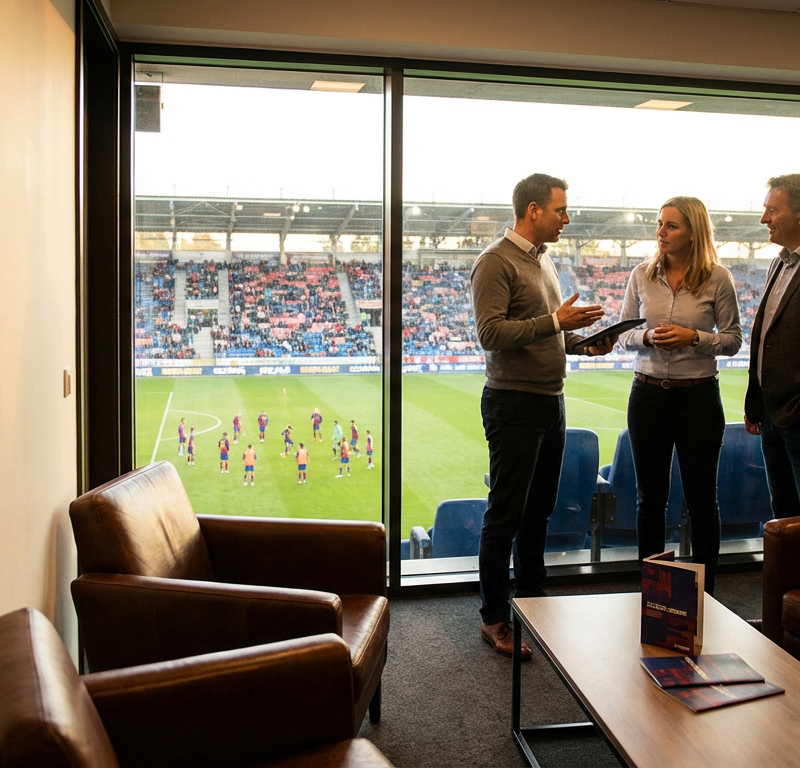
In a modern sports club, the business network is about much more than just exchanging business cards over a cup of coffee during the break. It's about creating platforms where relations can sprout in informal settings, and where sponsors feel like an integrated part of the club's DNA. When we talk about networking and events, the focus must shift from transaction to relation.
Many clubs make the mistake of believing that the quantity of events is equal to the quality of the network. But the truth is that business leaders today are more time-pressed than ever. They only prioritize events that either add direct business value or unique experiences they cannot buy elsewhere. Here is an in-depth guide on how to optimize your networking activities.
From passive spectator to active participant: Experience-based networking
The greatest potential for engagement lies in activating the network's members. Instead of always meeting in a conference room or in the lounge before kickoff, your club should consider moving some of your events out onto the field or behind the scenes.
Imagine an event where sponsors don't just hear about tactics from the coach, but get to try their hand at a light training session or a precision competition themselves. When people move together, social barriers break down faster. This creates a shared frame of reference that makes subsequent networking much more fluid and less forced.
Examples of experience-based events:
- "Behind the scenes" meetings: Take the network into the locker room or the administration hallways and talk about daily life in the club.
- Active networking: Arrange a padel tournament or a golf trip where teams are composed strategically by the club to match potential business partners.
- Skill-sharing workshops: Let one of your sponsors (e.g., an expert in IT security or management) give a presentation, so the network also becomes a place for learning.
Segmentation: The right people for the right events
Not all sponsors have the same needs. A large main sponsor with 500 employees is looking for something different than the local master carpenter. To maximize the value of your events, you should consider a segmented approach to your network.
By creating smaller "subgroups" within the network, you can facilitate more targeted dialogue. These could be industry-relevant groups or growth groups for smaller businesses. When participants feel that the content is tailored to their reality, the motivation to participate in future events increases significantly.
Strengthen relationships with "Low-stakes" events
While large gala evenings and sponsor meetings are important, it is often the small, informal gatherings that build the strongest bonds. "Low-stakes" events are arrangements with a low entry barrier and a high social factor.
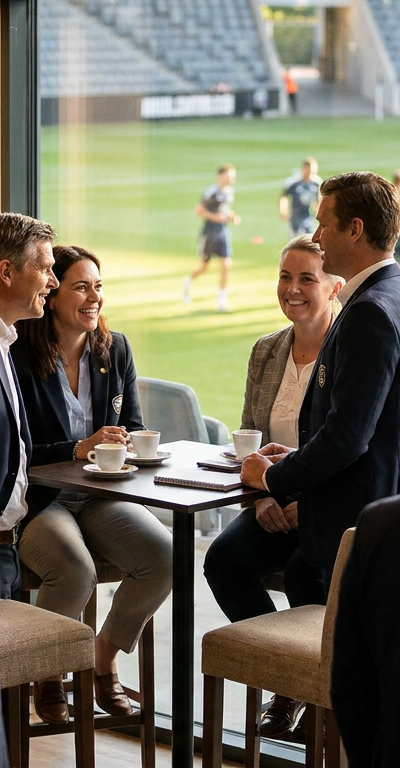
This could be a weekly "morning coffee network" for an hour or so, where there is no agenda other than greeting one another. By making the network a natural part of the sponsors' daily lives, the club becomes their primary platform for business sparring. This increases sponsor retention because they are not just buying an exposure sign, but joining a community.
3 tips for informal arrangements:
- Keep it short and precise – respect the sponsors' time.
- Make it easy to participate – central location and simple registration.
- As a club, be visible yourself and act as a "matchmaker" between participants.
Digital support for physical events
Although the personal meeting is irreplaceable, digital tools can amplify the effect of your events. Before an event, you can use your platforms to publish the participant list. This gives sponsors the opportunity to prepare and identify those they would like to talk to.
After the event, it is crucial to maintain momentum. Share photos, videos, and highlights from the day. This shows the sponsors who did not attend what they missed out on, and it reminds the participants of the great experiences and connections they made. This creates a circular effect where engagement is carried forward to the next event.
Facilitation: The invisible hand behind successful networking
A network does not run itself. One of the most important roles in the club is the "network facilitator." This is the person who knows who is looking for a new accountant, and who has just hired ten new employees and needs office furniture.
At your arrangements, the facilitator must be active. It is not enough to welcome people and then withdraw. The facilitator must actively bring people together. A good technique is "the warm introduction," where the club's representative brings two people together and mentions a specific thing they have in common or can help each other with.
How to facilitate better:
- Do your research: Know your sponsors' core business and current challenges.
- Use "icebreakers" relevant to the sport to start the conversation.
- Always follow up on introductions – did you ask Erik if he got to talk to the carpenter?
Measuring success: Is the network worth the money?
To ensure continued support from both the club's board and the sponsors, it is necessary to look at the value of your networking efforts. Success can be measured by more parameters than just the number of attendees.
Look at "Networking ROI" (Return on Investment) for the sponsors. Is business being conducted between members of the network? An annual survey can reveal how many of your sponsors have generated revenue through the connections they made via your events. When you can prove that membership in the club's network is a profitable business, it becomes much easier to attract new partners and raise sponsorship levels.
Summary: Create a culture for networking
Creating a strong business network through events in a sports club is a marathon, not a sprint. It requires continuity, creativity, and a genuine interest in the sponsors' business. By combining sporting passion with professionally organized events, the club positions itself as an indispensable growth partner in the local community.
Remember that the best memories and the strongest business connections often arise when we laugh together, compete together, and share the ups and downs that sport is so rich in. By using the unique framework of sports as the foundation for your network, you create a value that no traditional business club can match.