The Ultimate Checklist for Networking & Events: How to Elevate Your Business Network
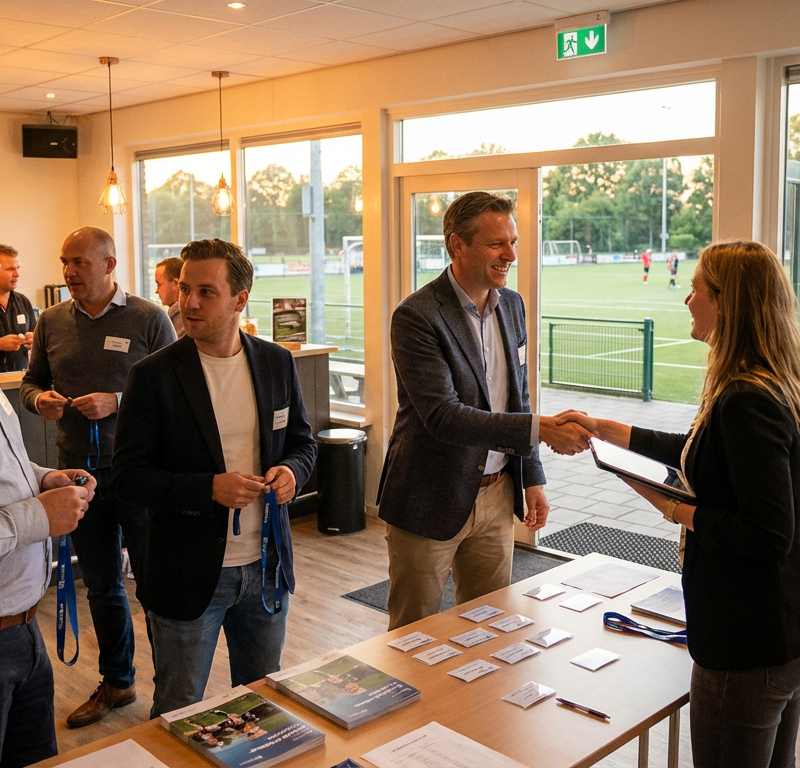
When a sports club runs a business network, it is no longer enough to simply invite people for a cup of coffee and a sausage before kickoff. Today's sponsors expect a professional setup where their time is converted into concrete relationships and business opportunities. Networking and events are the heart of this relationship, but success depends on the small details.
This article serves as a comprehensive checklist that you can use as your permanent tool every time you plan a new event. By following these steps, you ensure that your events don't just become "pleasant," but decidedly indispensable for your partners.
Phase 1: Purpose and Targeting – Why are we meeting?
Before you even send out an invitation, the foundation must be in place. Without a clear purpose, you risk the wrong decision-makers showing up, or expectations not being met.
Define success criteria
- Is the purpose pure knowledge sharing, or should direct "speed-networking" be facilitated?
- What is the ideal number of participants for this format?
- What specific types of companies do we want to attract to this particular event?
Choose the right time
Timing is everything in networking. A master carpenter often prefers an early morning meeting, while a lawyer or accountant might be more inclined to attend an afternoon event. Make sure to vary your events so you reach different segments in your sponsor pool.
Phase 2: Pre-event logistics – Create expectation
The good experience starts long before the guests step across the threshold. Professionalism in the invitation and registration process reflects on the club's brand.
Invitation and registration
- Send the invitation out at least 4 weeks in advance (and a reminder 1 week before).
- Use a system that automatically handles registrations and cancellations, so you always have an updated participant list.
- Publish the participant list continuously. Sponsors want to see who they can meet before deciding to attend.
Hosting and facilitation
This is where many sports clubs fail. An event must never be left to itself. "Ambassadors" from the club or the board should be appointed, whose sole task is to spot new faces and introduce them to existing members. A checklist should include the names of the people acting as hosts.
Phase 3: Execution of the physical event
When the day arrives, the setting must support social engagement. The physical space has an enormous impact on how networking flows.
Room setup and atmosphere
- Acoustics: Ensure that background noise does not drown out conversations.
- Standing tables vs. seating: Standing tables promote circulation and short, effective conversations. Seating is best suited for deep conversations during dining.
- Branding: Are your own and your partners' logos visible in a tasteful way? Roll-ups and digital screens must be up to date.
Facilitated networking
Make it easy for people to talk to each other. Use "icebreakers" or structured exercises. A concrete example could be the "Seat-swap method," where participants must change tables after the appetizer to meet new people. This removes the awkward feeling of having to break into a group you don't know.
Phase 4: The digital layer and ongoing engagement
Even though the event is physical, the digital aspect plays a major role in modern networking. It’s about tying the experience together with the club’s other administration and communication.
Use of data and tools
- Ensure digital check-in so you know exactly who showed up.
- Have an updated app or platform ready where members can search for each other's contact information directly on their phones.
- Encourage participants to share photos and experiences on social media with a specific hashtag to increase the visibility of your network.
Phase 5: The important follow-up – Turning relationships into business
A networking meeting without follow-up is wasted potential. It is in the days following the event that the real deals are closed.
Evaluation and feedback
Send a personal thank-you email to all participants the day after. Include a short survey: What worked? What could be improved? By listening to the sponsors, you ensure they feel heard and valued, which increases their engagement for future events.
Facilitating the next steps
- Identify "leads" during the event. Did you hear two sponsors talking about a potential collaboration? Send a follow-up email to both, offering to facilitate a meeting.
- Share a summary of what was discussed if there was a professional presentation or a guest speaker.
- Publish photos from the event in the club's newsletter to show the value to sponsors who didn't attend – this creates "Fear Of Missing Out" (FOMO).
Why this systematic approach is crucial
In the world of sports, we often work with volunteers or small administrations. Therefore, it is critical to have fixed processes. When networking events are systematized via a checklist, it releases energy for what really counts: being present for the sponsors and creating a great atmosphere.
Remember, a strong network is not just about the quantity of events, but about the quality of the connections created. By using this checklist as a basis for your work, you ensure that your sports club becomes the natural hub for the local business community. Engagement follows when the value is clear.
Summary checklist for your next event:
- Set the goal: What should the participants take home with them?
- Segment: Is the content relevant to the target group?
- Digitize: Use tools for registration and database management.
- Activate: Have a plan to introduce sponsors to each other.
- Follow up: Send thanks and ask for feedback within 24 hours.
By implementing these steps in your daily operations, you move your events from being an expense to being a strategic investment that retains sponsors and attracts new partners to the club.