The operational checklist for ticket sales: 12 crucial points before, during, and after the match
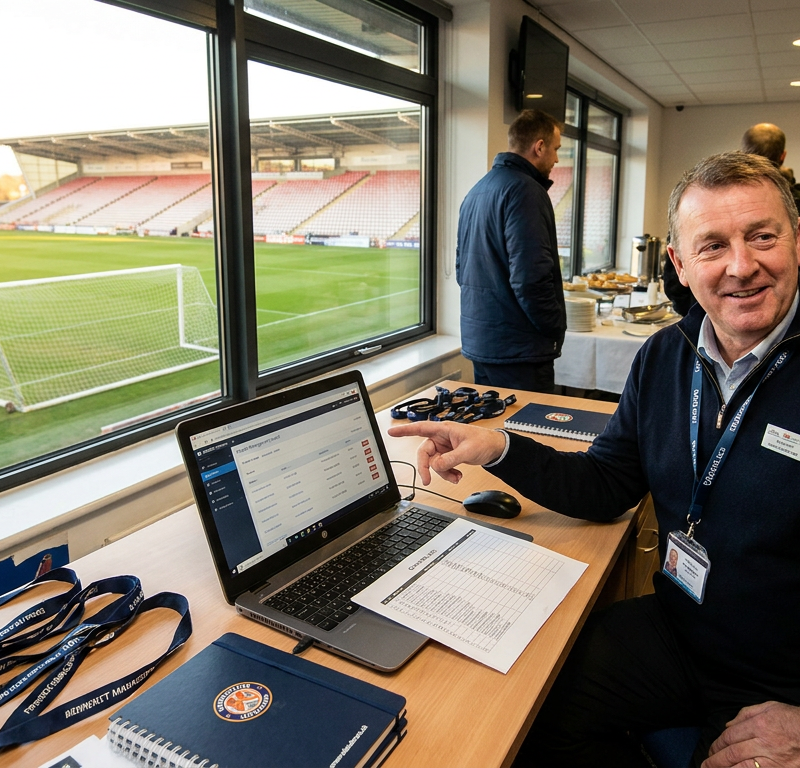
Successful ticket sales are about more than just setting a price and opening the doors. For a sports club, the ticketing system is the engine that drives both liquidity and the spectator experience. Whether you are selling season tickets to loyal fans or event tickets for the local derby of the year, it requires a structured approach to ensure nothing falls through the cracks.
This article serves as an operational checklist your club can use to quality-assure the processes surrounding ticket sales. By following these 12 points, you ensure a professional execution and maximize revenue per spectator.
Before the season: The foundation for stable sales
Before the first ball is kicked off, the overall framework for the season's ticket sales must be in place. This is where you lay the foundation for loyalty and repeat purchases.
1. Definition of ticket types and segmentation
Do you have the right products on the shelves? A good rule of thumb is to have products that speak to different needs. Consider the following categories:
- Season tickets: Should provide tangible benefits (e.g., a fixed seat, discounts in the café, or exclusive events).
- Adult/Child/Senior: Differentiated ticket pricing ensures that all groups feel welcome.
- Family tickets: Package deals that make it economically affordable to bring the entire household.
2. Pricing strategy
The price should reflect the value of the experience, but also the club's ambitions. Conduct a price analysis: What does it cost at the competitors (or other clubs in the league)? Remember to include any fees in the displayed ticket price so the buyer doesn't get an unpleasant surprise at checkout.
3. Digital accessibility and mobile optimization
Today, the vast majority of tickets are purchased via mobile. Test your purchase flow: Can a purchase be completed in under two minutes? Make sure to support modern payment methods like MobilePay or Apple Pay, as this minimizes drop-offs at the moment of purchase.
Before match day: Marketing and preparation
When specific event tickets are put on sale, the intensive phase begins. Here, it is all about visibility and logistics.
4. Marketing plan for the individual match
Every match should be treated as a unique event. Create a checklist for promotion:
- Posts on social media with a direct link to ticket sales.
- Newsletters to previous ticket buyers and members.
- Posters and local advertisements in the nearby area.
5. Scanner system setup
There is nothing worse than long queues at the entrance because the technology is acting up. Test your scanning equipment or apps at least 24 hours before match start. Ensure all hardware is charged and that the staff at the entrance knows how to handle invalid tickets or technical errors.
6. Training of volunteers
The volunteers at the entrance are the face of the club. Create a short "manual" for them covering:
- How to scan tickets and season passes.
- What to do if the power goes out or the network goes down.
- How to guide spectators to their seats or the nearest kiosk.
On match day: Execution and guest experience
On the day itself, it's all about flow. Ticket sales must function smoothly so spectators can focus on the sport.
7. Visible signage and "Late-bird" sales
Even though most people buy online, there will always be people who turn up at the entrance. Ensure clear signage with QR codes leading directly to the purchase page, so people can buy their tickets on their own phones while standing in line. This significantly relieves the physical ticket booths.
8. Monitoring real-time data
Keep an eye on sales figures leading up to match start. If you have available capacity, you can send out a quick "Last minute" offer on social media or via push notifications to your app users. Data allows you to react quickly.
9. Integration with other revenue sources
Ticket sales should not stand alone. Think about coordination with the kiosk and merchandise stall. Can a "Match Menu" consisting of a sausage and a soda be selected when purchasing a ticket? Upselling within the actual purchase flow increases the average revenue per guest.
After the match: Follow-up and future growth
The work doesn't end when the final whistle blows. It is in the post-processing that you build the bridge to the next match.
10. Data validation and reporting
How many people showed up compared to the number of tickets sold (no-show rate)? Which ticket types sold best? This insight is worth its weight in gold when planning the next event. Document the numbers in your CRM system so you can see trends over time.
11. Email follow-up and feedback
Send a thank-you email to everyone who had their tickets scanned. Ask about their experience: Was the queue at the entrance acceptable? Was it easy to find their seat? A short feedback survey shows that you prioritize your fans and gives you concrete points for improvement.
12. "Early bird" for the next match
Use the momentum. While the spectator still has the match experience fresh in their memory, you should present the opportunity to buy tickets for the next home game. Perhaps with a small discount code as a thank you for coming. This is where you transform an occasional guest into a regular.
Conclusion: Systematics lead to sold-out stands
A professional setup for ticket sales in a sports club requires thinking about the spectator experience from all angles. By using this checklist, you ensure that the technical details are in place, so volunteers and staff can focus on creating a great atmosphere.
Remember that every single ticket purchase is the start of a relationship. The easier and more transparent you make it to buy everything from season passes to event tickets, the greater the likelihood that the stands will be full match after match. Start by implementing the first three points in your next season planning and build gradually from there to optimize your total ticket sales.