The digital toolbox for flawless ticket sales: Integration, upselling, and system choice
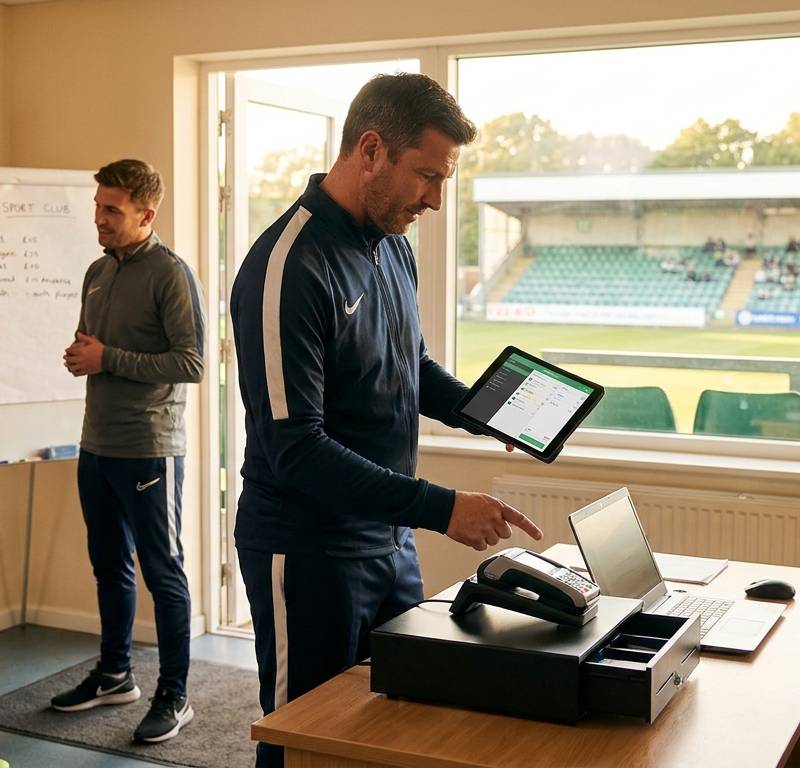
In a modern sports club, ticket sales are no longer just a matter of exchanging a physical scrap of paper for cash at the entrance. It has become the digital face of the club – the first meeting between the club and the fans. An effective system for ticket sales is about minimizing friction for the user while ensuring the club gets the necessary data and financial overview.
Many clubs still struggle with manual processes or outdated systems that create queues at the gate and frustration among volunteers. By focusing on the technical framework and digital infrastructure, the club can not only increase attendance but also create a more professional experience that reflects positively on the club's general reputation.
Choosing the right platform for ticket sales
When the club chooses a solution for ticket sales, it is crucial to look beyond just the price per ticket. The platform must be scalable and able to handle everything from small practice matches to large cup games with heavy pressure on the servers. A good solution should, as a minimum, support mobile-optimized purchase flows, as over 70% of all event tickets today are purchased via a smartphone.
Consider the following technical requirements for your system:
- Mobile-first design: It should take less than two minutes to buy a ticket from a mobile phone.
- QR scanning via app: Your volunteers should be able to scan tickets with their own phones or inexpensive handheld scanners.
- Real-time data display: The board and match managers should be able to follow sales minute by minute.
Integration with member databases
An often overlooked factor in effective ticket sales is integration with the club's other systems. If your ticketing system can "talk" to your membership system, new opportunities arise. For example, you can give your active members (players, coaches, parents) automated discounts on tickets or pre-emptive rights to special matches simply by letting them log in with their existing member info.
Strategic use of season tickets as a source of income
Season tickets are the club's financial foundation. They ensure liquidity early in the season and create a steady base of loyal fans who show up regardless of the weather. But a season ticket must be more than just access to 10-15 matches; it should feel like membership in an exclusive club.
To increase the sale of season tickets, it is beneficial to introduce different levels:
- Standard Season Ticket: Access to all home matches and fixed seats in the stands.
- Premium Season Ticket: Includes a free sausage/bun at every match as well as unique club merchandise (e.g., a fan scarf).
- Digital Season Ticket: A cheaper alternative for those who simply want to support the club and have access, but do not need fixed seating.
The digital aspect is essential here. By having the season ticket stored directly in the "wallet" on the mobile phone, you eliminate the risk of fans forgetting their physical cards and make it easier for stewards to validate access lightning fast.
Optimizing event tickets for special events
In addition to regular league matches, many clubs host special events such as exhibition matches, major cup ties, or club parties. Here, flexibility in your ticket sales is crucial. Event tickets should be possible to create with different parameters, such as time-limited "early bird" prices or package deals.
Let's take an example: A local football club is playing an important cup match against an opponent from a higher league. Here, one can advantageously sell "Package tickets," where the ticket includes a "match-day menu" from the kiosk. By selling food and drink in advance as part of the ticket, the club can better predict canteen purchases and reduce food waste, while revenue per spectator increases.
Ticket pricing and price psychology
Determining the right ticket price is a balancing act. If the price is too high, families with many children will stay away. If it is too low, the club loses vital income. A good rule of thumb is to use differentiated pricing based on demand and location.
Consider introducing categories in your ticket sales:
- Adults: The standard price that covers costs.
- Pensioners/Students: Entry price that ensures diversity in the stands.
- Children under 12: Often free or a very symbolic price, as children are always accompanied by adults who spend money at the kiosk.
Volunteering and operational management on match day
When ticket sales go digital, the role of the volunteers at the entrance changes. Instead of handling cash and change (which is always a security risk), they function as hosts helping with the scanning of tickets and season tickets. This requires a system that is intuitive and stable.
An effective ticketing solution must be able to handle "offline scanning." If the internet at the stadium fails in the middle of the warm-up, the system must still be able to remember which tickets have been scanned to avoid fraud with copied tickets once connection is restored.
Upselling through the ticket flow
The buyer's journey doesn't end once the customer has selected their ticket price. Within the digital payment flow itself, the club has a unique opportunity for upselling. Before the customer hits "pay," small add-ons can be presented:
"Do you want to support the club's youth department with 20 DKK?" or "Buy your match program digitally now for 10 DKK."
These small amounts may seem insignificant, but spread across thousands of event tickets sold over a season, it can make a noticeable difference to the club coffers. It's about seizing the opportunity while the customer already has their credit card out.
Marketing tickets and season tickets
Even the best ticketing system is worthless if no one knows the tickets are for sale. The club should use its social channels actively to drive traffic directly to the sales page. Use "Deep links" in your posts on Facebook and Instagram so the user lands directly on the specific match, instead of just a general home page.
Also, remember to send automatic emails to previous ticket buyers. If a person has bought a ticket for a match before, the probability that they will do it again is high. Use data from your ticket sales to build a mailing list so you can send out a reminder: "We miss you in the stands – buy your ticket for Friday's match here."
Summary: Creating value through data
When the season is over, your digital ticket sales provide you with a goldmine of information. You can see exactly when fans buy their tickets (is it the week before or two hours before kick-off?), which ticket types are most popular, and who your most loyal fans are. This knowledge is invaluable when planning next season's pricing and marketing strategy.
By professionalizing your ticket sales, you remove barriers for fans and create peace of mind in the administration. It's about making it as easy as possible to support the club – both financially and with cheers from the stands.