Strategic Synergy Between Tickets and Season Passes: How to Ensure Stable Revenue and Growth
For any sports club, whether in the handball league or the local football division, ticket sales are the engine of the club's economy. But it’s not just about selling an access-granting barcode; it’s about creating a balance between the fast revenue from event tickets and the long-term stability provided by season passes. When these two factors work together, a foundation is created that makes it possible to grow both on and off the field.
Understanding the Role of Ticket Types in the Club's Ecosystem
When we talk about ticket sales in the world of sports, we often divide sales into two main categories: transactional sales (individual tickets for single matches) and relational sales (season passes and subscriptions). To maximize earnings, the club must understand when to push which button.
Event tickets are fantastic for capitalising on the hype of the moment. If the club has won three matches in a row, or if a local rival is visiting, it is the individual tickets that should be pushed to the forefront of marketing. Here, demand is high, and fans are often willing to pay a higher unit price to be part of the event.
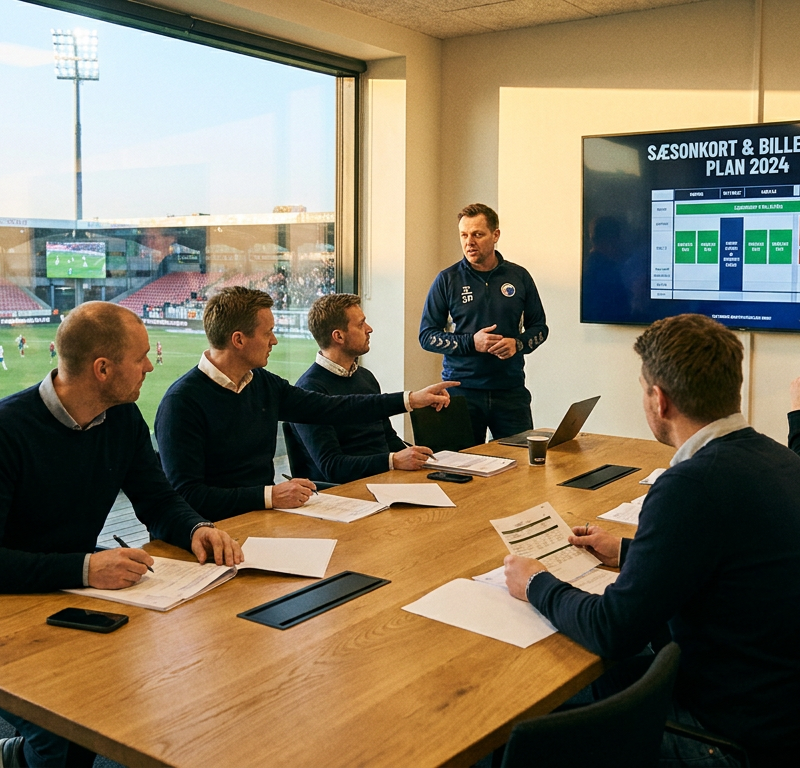
Season passes, on the other hand, act as the club's financial buffer. By selling a large proportion of season passes before the season starts, the club secures liquidity early in the year. At the same time, it guarantees a minimum number of spectators in the stands, which is crucial for both the atmosphere and the value of the sponsorship deals exposed at the stadium.
Pricing: The Art of Finding the Right Ticket Price
One of the biggest challenges for sports clubs is determining the right ticket price. If you set the price too high, you risk empty seats; if you set it too low, you devalue the product and lose vital revenue.
A rule of thumb is to use "inverse pricing" in relation to loyalty. The more loyal a fan is (e.g., a season pass holder), the lower the price per match should be. A single ticket for a top match, however, should be priced as a premium experience. Consider introducing differentiated pricing based on the opponent. A match against the league leaders should cost more than a match against the bottom team, as the entertainment value and demand are higher.
Make it Easy to Buy: Breaking Down the Digital Barrier
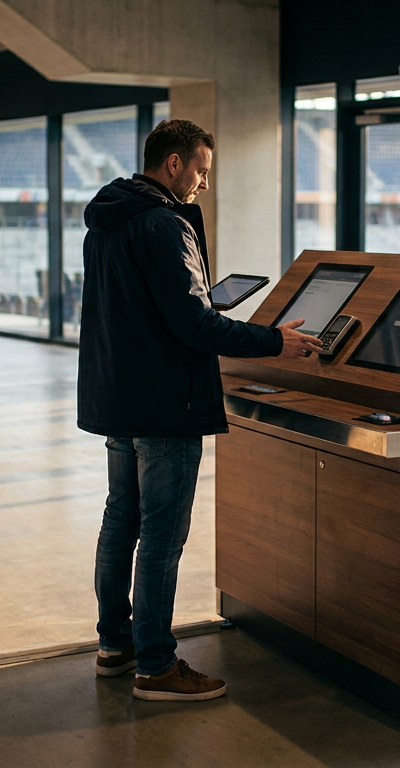
Today, fans expect to be able to buy their tickets in under 60 seconds via their smartphone. If your club still uses manual lists or requires physical attendance to purchase tickets, you are losing revenue every single day. Digital ticket sales must be frictionless.
This includes the ability to save the ticket directly to the phone's "wallet," so fans avoid searching for a PDF file in their inbox while standing in the queue at the entrance. For the club, a digital system also means collecting valuable data on who comes to the stadium, which can be used for targeted marketing of the next match or next season's passes.
Season Passes 2.0: From Plastic Cards to Subscription Models
Many of the most successful clubs have begun moving away from the traditional season pass that must be renewed once a year. Instead, we see an increase in subscription-based solutions where fans pay a fixed monthly amount for access to all home matches.
This model has several advantages:
- Recurring Revenue: The club secures a fixed income all year round, including during the summer and winter breaks.
- Higher Retention: It is harder for a fan to cancel a subscription than to actively choose not to renew an annual pass.
- Lower Barrier: It is often easier for a fan to manage £10 a month than having to pay £150 all at once.
Activating Ticket Sales Through Events and Campaign Initiatives
To keep the momentum going throughout a long season, it requires more than just putting tickets up for sale. You need to create "events within the event." Theme matches are an effective tool to increase sales of event tickets. This could be a "Family Day," where children get in at a reduced ticket price, or a "Student Night" with cheap beer and student discounts.
By targeting specific segments with unique ticket packages, you can fill the sections of the stadium that are normally empty. An example could be collaborating with local sports associations that can buy a group ticket at a favorable price – this creates volume and ensures that young local talents build a relationship with the club early in life.
Using Early Bird Strategies
Create a sense of urgency (scarcity) by using Early Bird prices. By offering a lower ticket price for the first 48 hours after ticket sales open, the club can create quick momentum. This momentum spreads on social media when people see that tickets are being snapped up, pushing more hesitant fans to act before the price increases or it sells out.
Optimizing the Match Day Experience and Upselling
Ticket sales are only the first step in the economic journey on match day. Once fans have purchased their tickets and passed through the turnstiles, new opportunities for revenue open up. An effective ticketing system should be able to integrate with the club's other administration so that "add-ons" can be offered in the purchase flow.
Upselling examples in the purchase flow:
- Pre-ordering a "sausage and beer" ticket at a reduced price.
- The option to buy a player jersey, ready for collection at the fan shop.
- Upgrading to a "VIP lounge" experience if there are vacant seats.
These small extra purchases significantly increase the average revenue per user (ARPU) without requiring large additional marketing costs.
Follow-up: Data is Worth Its Weight in Gold
When the match is over and the lights are out, the most important work for the next match begins. Who bought tickets but didn't show up? Who bought a single ticket for the first time? By analyzing data from your ticket sales, you can identify the most loyal "individual ticket customers" and give them a targeted offer on a season pass.
If a person has bought event tickets for three matches in a row, the chance of converting them into a permanent season pass holder is very high. A personalized email with the message: "We see you've been here the last three times – save money and get a fixed seat with our new subscription solution" is extremely effective.
Conclusion
Successful ticket sales are not about luck, but about structure and understanding fan behavior. By having control over pricing, making digital purchasing easy, and actively working to convert one-time visitors into season pass holders, a financially sustainable sports club can be created. Remember that every ticket sold is not just revenue here and now, but an opportunity to build a lifelong relationship with a fan.