Professionalization vs. Volunteerism: The Great Comparison of Administrative Strategies in Sports Clubs
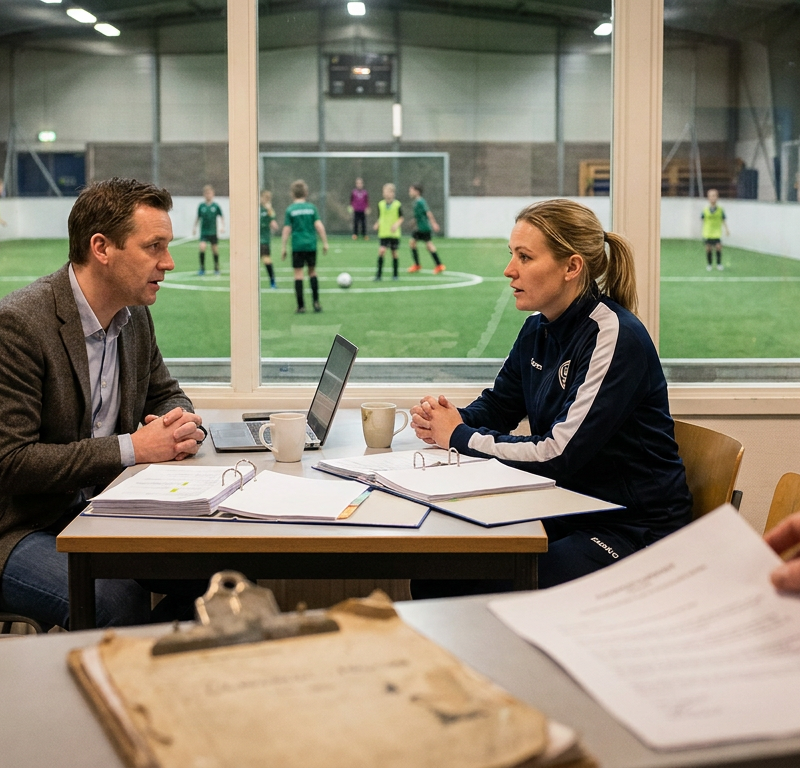
In Danish community life, many sports clubs face a crucial strategic choice: Should we continue as a traditional, volunteer-driven association, or is it time to professionalize the administration? The choice has far-reaching consequences for finances, member experience, and the board’s workload.
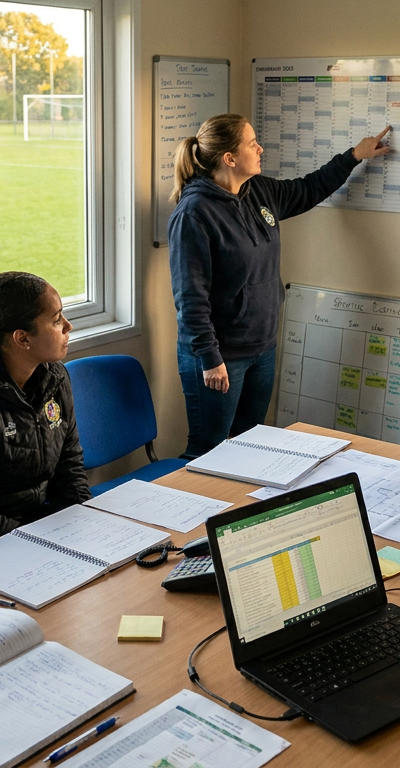
The pressure on modern club administration is increasing. Legal requirements regarding GDPR, complex subsidy rules, and member expectations for fast digital responses mean that many boards feel they are working a full-time job in their spare time. In this article, we compare the two primary approaches to club management and look at how they affect leadership and daily work with volunteers.
The Traditional Model: Volunteer-Led Administration
The classic Danish model is based on administration and management being handled by volunteer forces – often parents of active members or former athletes. Here, it is commitment and the "club heart" that drive the work.
The Advantages of Volunteer Operations
The biggest advantage is, of course, the finances. When large parts of the administration – from membership fee collection to pitch booking – are handled by volunteers, the club can keep membership fees low. This ensures a high degree of inclusion, where everyone can participate regardless of financial background.
Additionally, a volunteer administration creates a strong sense of ownership. When the treasurer has children on the field themselves, there is a short distance between the decisions and those they affect. This creates an authentic club spirit where everyone pulls together.
Challenges of Dependence on Volunteers
Vulnerability is the biggest counterargument. If the central administrator or secretary steps down, the club risks losing vital knowledge and momentum. Furthermore, the quality of work can vary, as tasks are solved in "surplus time" after a regular day job. This can lead to errors in bookkeeping or slow communication with sponsors and members.
The Modern Model: Professionalized Administration
More and more clubs are choosing to hire an administrative manager, a club CEO, or to outsource parts of their administration. Here, club management is regarded as a professional discipline rather than a leisure activity.
The Advantages of Professionalization
A professional administration ensures continuity and efficiency. Sponsorship acquisition becomes more structured, which often results in higher revenue that can finance the employee's salary. A hired administrator also serves as a permanent anchor point for members, parents, and external partners, increasing the club's credibility.
For the board, professionalization means they can transition from being "operators" who fix everything practical to being strategic leadership. They can focus on vision and development rather than chasing missing membership payments or ordering new balls.
The Disadvantages of the Paid Model
Salary costs are the primary barrier. For smaller clubs, a part-time or full-time employee can seem like an overwhelming item in the budget. There is also a risk that volunteers will "lean back." If they see that people have been hired to fix things, the motivation to help with small, practical tasks may decrease, and the club feeling risks shifting character into a "service organ."
Comparison of Core Areas in Club Management
To make the choice easier, we have set up a comparison based on vital parameters in everyday club administration:
1. Financial Management and Sponsor Relations
In the volunteer model, sponsor relations are often overlooked because there isn't time to seek out new companies or nurture existing ones. In the professional model, sponsorship work is often a core task that ensures the club's economic growth. A professional administrator has the time to prepare sales materials and follow up on leads, which is rarely prioritized in a volunteer board.
2. Member Service and Communication
Volunteers often answer emails in the evening or on weekends. This can provide a personal touch, but the response time is often long. A professional administration ensures replies within 24 hours during working hours, which significantly increases member satisfaction – especially in large clubs with many registrations and cancellations.
3. Leadership and Volunteer Care
Ironically, professional administration is often better at handling volunteer coaches. An employee has the capacity to recruit, train, and recognize volunteers in a systematic way. In a purely volunteer club, volunteer leaders often end up burning out because they have to handle both administration and recruitment simultaneously.
The Hybrid Model: The Best of Both Worlds?
Many successful Danish clubs are moving toward a hybrid model. Here, the volunteer board is retained as the top leadership and strategic body, but the club invests in digital systems or a part-time employee to handle the heaviest administrative burdens.
With a hybrid model, you can:
- Automate membership fee collection and bookkeeping via professional platforms.
- Let an employee (or external consultant) manage sponsorship packages.
- Use volunteers for the "fun" tasks like events, tournaments, and coaching, while the heavy paperwork is centralized.
When Should You Change Models?
A rule of thumb is to look at the club's size and ambitions. If your club has over 300-400 members, the administrative burden will often exceed what 3-4 volunteers on a board can handle responsibly without losing their spark.
Another sign is the "bottleneck effect." If important decisions or tasks in the club's operation always get stuck with the same person on the board, it is a clear signal that your current management form is too vulnerable.
Conclusion: What Suits Your Club?
The choice between volunteer and professional administration is not about either-or, but about finding the right balance for your specific situation. The volunteer model is the heart of Danish sports and works excellently in smaller clubs where proximity is the most important currency.
However, the professionalized model is gaining ground because the requirements for club management today resemble those of running a medium-sized business. If you want growth, more sponsorship money, and less stressed board members, a gradual professionalization of the administration is often the only sustainable way forward.
Regardless of which model you choose, it is crucial that you make an active decision. Do not let your club administration be guided by chance, but build a structure that supports your sporting ambitions and takes care of your most important resource: The people behind the club.