Optimizing the Business Network: Measurable Methods for Increased Value Creation and Retention
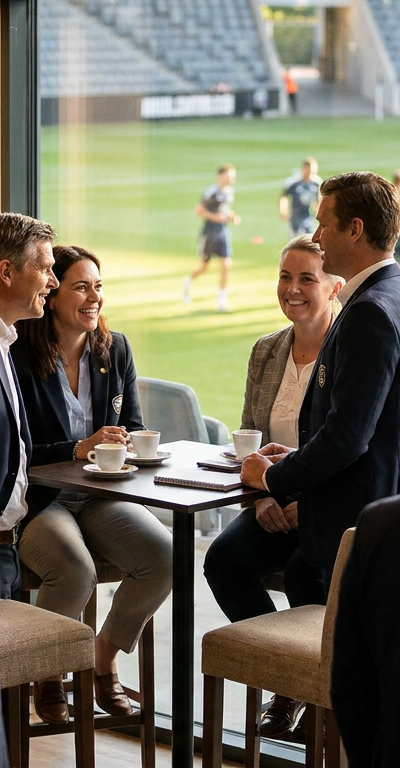
For many sports clubs, the business network is the very lifeblood of their economy. While sporting passion is the foundation, it is the business relationships behind the scenes that ensure the club's survival and growth. However, running a professional network requires more than simply inviting people for coffee and sausages before kickoff. It requires a structured approach to networking and a deep understanding of the participating companies' KPIs.
In this guide, we review a series of best practices that elevate your events from pleasant gatherings to indispensable business platforms. By focusing on structure, data-driven matchmaking, and value-adding follow-up, the club can ensure that sponsors view their contribution as an investment rather than a donation.
Strategic Planning: Know Your Members' Needs
The first step toward a successful network is understanding why individual companies are involved. Some seek direct sales, others seek employer branding, while a third group may primarily wish to support the local community. If your events are to create value, they must address all these needs through a differentiated strategy.
An effective method is to conduct an annual member survey. Inquire about which industries they wish to meet, which times suit them best, and what professional content they value most. This data makes it possible to design events that are relevant to your specific target group, rather than taking a scattergun approach.
Segmentation of Events
Not all events need to include the entire network. Consider dividing your activities into formats:
- Lead-generating circles: Small, closed groups focusing on direct referrals.
- Inspiration events: Large events with external speakers that attract decision-makers.
- Social "ice-breakers": Informal settings such as padel tournaments or wine tastings, where personal bonds are strengthened.
Facilitated Networking: The Role of the Matchmaker
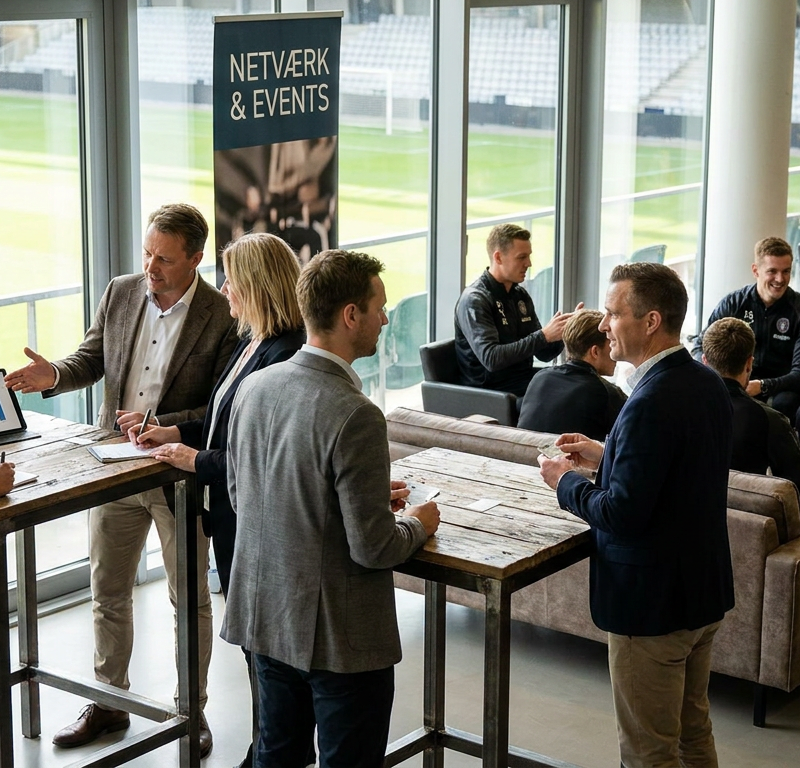
One of the biggest mistakes sports clubs make is leaving the networking aspect to chance. Many business people can feel awkward in a large gathering if they do not know anyone beforehand. Here, the club's network manager plays a crucial role as an active matchmaker.
Before each event, you should review the attendee list. Identify 2–3 companies that could potentially benefit from speaking to each other and ensure you physically introduce them during the event. This proactive approach removes barriers for participants and increases the likelihood that they will go home with a concrete business opportunity.
Using Seating Plans as a Tool
Use the seating plan strategically. Avoid letting people sit with their regular partners or friends every time. Instead, place a subcontractor with a potential main contractor, or seat two companies from complementary industries next to each other. This creates immediate value and demonstrates that the club has considered the participants' outcomes.
Integration of Professional and Social Elements
A network in a sports club has a unique advantage: the shared passion for the sport. But passion alone does not retain business leaders in the long run. There must be a professional element they can take home to their company. This can be anything from a presentation on leadership under pressure to a review of local construction projects or new legislation.
The ideal balance is found by combining "brain food" (professionalism) with "heart's blood" (the sport). For example, let the club director start with a short update on the finances or the sporting setup, followed by an external expert speaking about digitalization or sustainability. End with informal networking in the lounge. This 1-2-3 model ensures that participants feel they have become both more knowledgeable and closer to the club.
Maximizing Engagement Through Involvement
Engagement arises when members feel ownership. Make it a standard part of your events to let sponsors have a voice. This can happen through short "30-second pitches" or by hosting your meetings physically at one of the member companies' premises.
When a company opens its doors to the network, it creates a unique sense of pride and gives other members an insight into their world that they would never get in a VIP lounge at the stadium. It humanizes the company and makes it easier for others to recommend them later on.
Follow-up: Where the Long Race Is Won
Engagement must not end when the last guest has left the room. The most important part of networking and event work lies in the follow-up. This is where professional clubs differentiate themselves from amateurs.
As early as the day after an event, a thank-you email should be sent out. This email should not just be a courtesy but should contain concrete resources:
- An overview of all participants (if the attendee list has not already been shared).
- Presentations from the day's speakers.
- The date for the next event, so it can be added to the calendar immediately.
- A link to a short evaluation form.
Personal Contact
The network manager should also reach out to participants who expressed specific needs during the meeting. If a sponsor mentioned they are looking for a new accountant, and you know there is an accountant in the network, follow up to see if they spoke. This level of service makes the network indispensable.
Digital Support for Physical Networking
While the physical meeting is irreplaceable, digital tools can amplify the effect. A closed LinkedIn forum or a dedicated app for the member network can act as the glue that holds the group together between events. Here, members can share success stories, seek labor, or offer exclusive discounts to their fellow sponsors.
An important best practice is to actively curate this content. As a club, you should regularly post news about members – "Congratulations to Carpenter Jensen on the new contract" or "Welcome to our new member, Law Firm X." This creates visibility for members and shows potential sponsors that the network is alive and active.
Measuring Success: Looking Beyond Attendance
When is an event a success? It is easy to count the number of croissants eaten, but that says nothing about the actual value. To optimize your efforts, you should measure more qualitative parameters:
- Retention rate: How many of the participants at an event return for the next one?
- Referrals: How many business deals are documented to have originated within the network?
- Satisfaction score: What rating do members give the event on a scale of 1–10?
By using this data, club management can make informed decisions about which formats to scale up and which to retire. The professional business network is in constant development, and by following these best practices, you ensure that your club remains an attractive business partner for many years to come.