Optimizing Resources in Sports Clubs: From Acute Labor Shortages to Strategic Staff Planning
In any modern sports club, volunteers are the very foundation. However, even the most passionate group of helpers can lose heart if the framework for their efforts is characterized by chaos, poor communication, or lack of planning. The challenge in many clubs is not necessarily a lack of willing hands, but rather the absence of a structured approach to staff planning and daily workforce management.
When we talk about the "workforce" in a sporting context, we refer to the collective pool of human resources that keep the wheels turning – from the groundsman and the coach to those working in the kiosk or managing the entrance on match days. To create sustainable club operations, it is necessary to look at these resources through the same strategic lens as one would in a professional company, though with deep respect for the volunteer spirit.
Integration of Staff Planning into the Club's DNA
Staff planning might sound like a corporate term, but in reality, it is simply about having the right person in the right place at the right time. In a sports club, this means proactively looking ahead at the calendar and identifying peak periods long before they arise.
A typical mistake is starting recruitment for a specific task only two weeks before a tournament or a big match. By implementing a year-round plan for workforce needs, the club can provide volunteers with predictability. It creates security when a volunteer knows they only have to cover three shifts over six months, rather than being called in a panic every other Thursday.
Mapping Skills and Interests
Good planning starts with knowing your workforce. Not all volunteers want to be at the front managing ticketing; some might prefer brewing coffee or preparing the pitches in peace. By creating a database or an overview of your volunteers' skills, you can assign tasks that make sense for the individual. When the task matches the interest, the chance increases that the volunteer will want to take shifts again next season.
Effective Management of Shifts and Resources
Once the plan is in place, execution follows: shift scheduling. This is often where the greatest administrative burden lies for club leaders. If you are still using Excel spreadsheets sent back and forth via email, or physical notice boards in the clubhouse, the risk of errors and misunderstandings is enormous.
To optimize your shifts, you should consider the following principles:
- Self-service selection: Let volunteers sign up for available shifts themselves via a digital system. This provides a sense of autonomy and control.
- Automatic reminders: A volunteer who forgets their shift is one of the biggest sources of stress on a match day. Ensure you have a system that sends an SMS or email 24-48 hours before the shift starts.
- Clear instructions: Attach a brief "job description" to each shift. What needs to be done? Who is the contact person? Where are the keys?
Handling Cancellations and Labor Shortages
Even the best planning can be hit by illness or unforeseen events. Robust workforce management always has a Plan B. This could be an "emergency list" of people who live near the club and are willing to step in at short notice, or an agreement that certain less critical tasks can be scrapped if the workforce is diminished.
Recruitment: Finding the Right Heads and Hands
Recruiting volunteers is an ongoing process, not a one-time event. In many clubs, you often see the same 10 faces doing all the work, which inevitably leads to burnout. To expand your workforce, recruitment must be made personal and concrete.
Instead of sending a broad email to all members saying "We need help," try to specify the need: "We need two people to manage the grill from 12 PM to 3 PM this Saturday." The more specified the task is, the easier it is for a busy person to say yes. It feels less overwhelming to say yes to three hours than to say yes to being a "club volunteer."
Involving New Target Groups
Look beyond the usual parent group. Are there retirees in the local area with skills in finance or maintenance? Or students who need event management experience for their CVs? A diverse workforce gives the club more strings to its bow and ensures deeper roots in the local community.
Turning Volunteers into Club Ambassadors
Once the workforce is in place and shifts are running, it is crucial to nurture relationships. Staff planning is also about well-being. A volunteer who feels seen and appreciated performs better and stays with the club longer.
Consider implementing small initiatives that make a big difference:
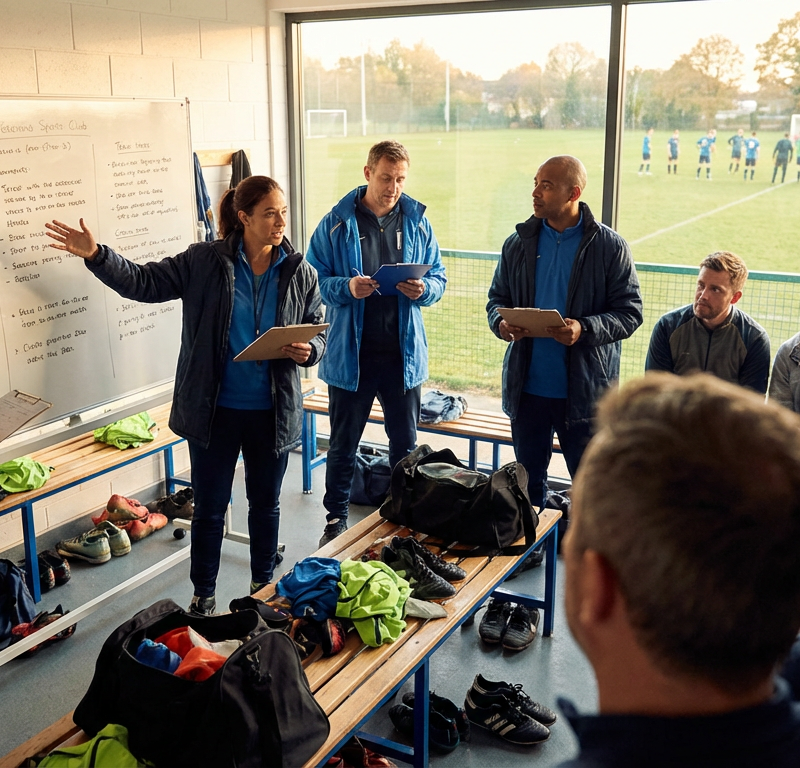
- Joint briefings before a match day, where everyone gets a cup of coffee and a quick status update.
- Visible clothing (e.g., a vest or t-shirt) that signals they are part of the team.
- An annual thank-you party or social events where the focus is not on work, but on community.
Digitalization as a Partner in Workforce Care
We cannot talk about modern staff planning without mentioning technological possibilities. By moving shift planning and volunteer master data into a central system, the club frees up countless hours for what it’s really about: the sport.
A digital overview ensures that no one is overbooked and that there is always a history of who has helped with what. It also makes it much easier to hand over tasks when a coordinator chooses to pass the baton after a few years. Without a system, knowledge and contacts often disappear with the person – with a system, the "gold" (the workforce) stays in the club.
Concrete Examples from Club Life
Imagine a football club hosting a large summer tournament with 50 teams. Without structured staff planning, coordinators will spend the last three nights before the tournament desperately calling around to fill gaps in the schedule. The result is stressed leaders and volunteers who feel pressured.
With a proactive approach, shifts are posted three months in advance. Members and parents receive a link, choose their shifts, and automatically notified if a shift remains unfilled. On the day itself, everyone knows exactly where they need to be, and the coordinator can instead use their energy to welcome guests and ensure a great experience for everyone.
Summary: The Path to a Stronger Organization
Strengthening your workforce and optimizing your staff planning requires an effort here and now, but it pays back tenfold in the form of fewer frustrations, better operations, and happier volunteers. By combining good old-fashioned dialogue with modern, structured tools for shift management, you create a sports club where people want to contribute.
Remember that process and structure do not kill volunteerism – they protect it. When the framework is under control, there is room for what matters most: the joy of the sport and the community.