How to build a professional structure for partnerships and sponsor sales
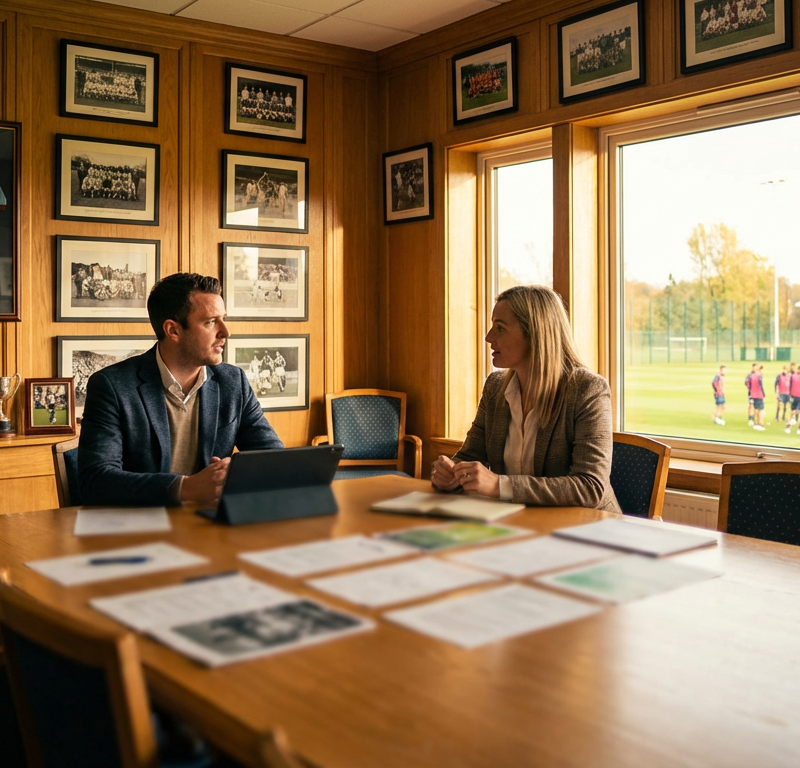
Sponsorship work in a sports club today is about much more than just a logo on a jersey or a sign at the sideline. Modern companies no longer see their support as a pure donation; they see it as an investment in exposure, networking, and social responsibility. To succeed with your sponsorship sales, it therefore requires a structured approach where you know how to articulate the value your club creates.
This guide takes you through the necessary steps to professionalize the club's sponsorship management – from the initial mapping of rights to the ongoing nurturing of good relations.
Step 1: Mapping the club's assets (What are you selling?)
Before you reach out to potential partners, you must have a complete overview of what you actually have to offer. Many clubs underestimate their own value because they only think in terms of physical signs. But your assets are diverse.
Physical exposure
These are the classic elements such as kit sponsorships, perimeter advertising, logos on the website, and advertisements in match programs. It is easy to price, but often the most competitive area.
Digital reach
How many followers do you have on Facebook and Instagram? How many visitors are there on your website each month? Digital posts where a sponsor is "tagged" or included in a case story often have a higher value for companies because the reach can be measured precisely.
Networking and B2B opportunities
For many local business owners, the opportunity to meet other decision-makers is the primary reason for signing a sponsorship agreement. Do you host a business network? Can you facilitate breakfast meetings or VIP events in connection with matches? The network is often the product that can carry the highest price tags.
Step 2: Know your target audience and segment your sponsors
All companies are not the same, and therefore they should not be presented with the same package. By differentiating your approach, you increase the chance of a positive response.
The local tradesman: Is often interested in local visibility and wants to support local community life. Here, a smaller sign sponsorship or a "match sponsorship" is often ideal.
The larger regional company: Needs branding and might want to be associated with the club's values regarding talent development or social inclusion. Here, more extensive partnerships are relevant.
The B2B company: Is primarily interested in gaining new customers. Their way into the club should be through your business network and the opportunity to meet other sponsors face-to-face.
Step 3: The proactive process – From lead to signature
Sponsorship sales is essentially a sales process like in any other business. But it requires patience and proper preparation.
Preparation and research
Before you contact a company, you need to know who they are. What is their core business? Have they supported sports before? By spending 15 minutes on their website, you can tailor your pitch so it becomes relevant specifically to them.
First contact
The goal of the first contact is rarely to sell something immediately. The goal is to get a meeting. Try to focus on how your club can help them achieve their goals, rather than just talking about your need for money.
The sales meeting
Listen more than you talk at the first meeting. Ask questions like: "What types of customers would you like to reach?" or "What are your goals for sponsorships this year?". Once you understand their pain points, you can put together the perfect package.
Step 4: Documentation and professional sponsorship agreements
Once you have agreed on the framework for a collaboration, it is crucial that everything is documented. Professional sponsorship agreements protect both the club and the company.
A good agreement should always include:
- Precise description of the services (e.g., "A sign of 3x1 meters on Pitch 1").
- Duration of the agreement and notice period.
- Price and payment terms.
- Who provides graphic material, and who pays for the production of signs and clothing prints.
By having clear lines, you avoid misunderstandings later in the process that could damage the good relationship.
Step 5: Effective sponsorship management and nurturing
The hardest part is not landing a new sponsor – the hardest part is keeping them year after year. Sponsorship nurturing (or "activation") is the key to stable finances in the club.
Delivery of what was agreed
Ensure that signs go up on time and that the logo is correct on the website. Nothing frustrates a sponsor more than having paid for something they do not receive.
Ongoing communication
Send out a newsletter 4-6 times a year addressed only to sponsors. Tell them about the club's sporting successes, but also about how their support makes a difference for the young members. Companies want to feel like part of the community.
Invitations and experiences
Invite your partners to special events. This could be a "sponsor day" where they get to try the sport, or an evening with an interesting guest speaker. The closer the ties they have to the club, the harder it is for them to cancel their agreement.
Step 6: Evaluation and renegotiation
Many clubs make the mistake of only contacting the sponsor when the invoice needs to be paid. Instead, make it a habit to hold a short evaluation meeting once a year.
Ask whether their expectations have been met. If they are happy, it is the perfect time to talk about an extension or perhaps an upgrade of their agreement. If they are dissatisfied, you get the chance to correct the error before they terminate the collaboration.
By showing documentation of the value they have received – for example, in the form of photos of their logo in use or data on digital reach – you stand significantly stronger in a renegotiation.
Summary: The template for good sponsorship work
Sponsorship agreements require time, but if you build a fixed structure, the work becomes less vulnerable to changes in the board or among volunteers. Remember to:
- Be proactive rather than reactive.
- Focus on the partner's needs and ROI (Return on Investment).
- Automate the administration of invoicing and agreements so you can spend time on relationships.
- Always deliver a little more than you promised.
With a professional approach to your sponsorship management, the club can ensure a solid financial foundation that provides the peace of mind to focus on what it's all about: the sport and the social community.