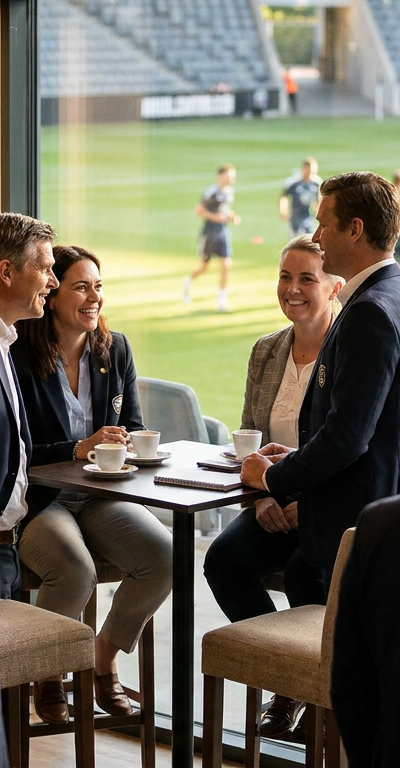
Future Network Strategy: How to Create Synergy Between Commercial Events and Sporting Passion
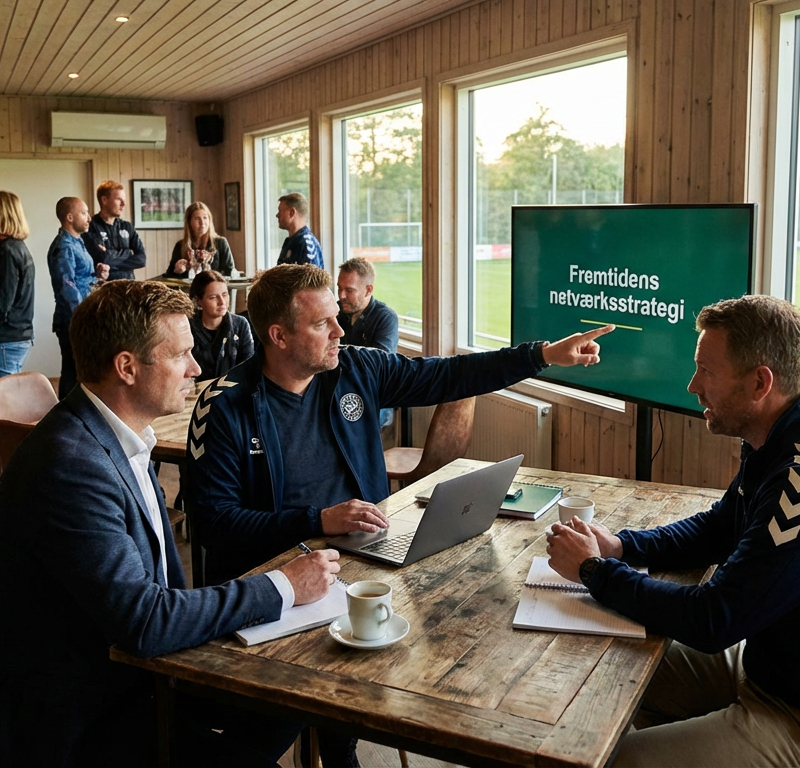
In the modern sports club, the role of facilitator for business connections has become just as important as the results on the pitch. Sponsors today do not just buy a sign at the stadium; they buy into a network, access, and a sense of community. But how do you ensure that the events you organize actually impact the bottom line for partners while strengthening club engagement?
This requires a strategic approach where networking and events are not seen as isolated incidents, but as a coherent value chain. To create genuine networking that lasts over time, the club must act as a professional "matchmaker" that understands the needs businesses bring to the table.
Understand the foundation of a strong business network
A successful network in a sports club rests on two pillars: sporting passion and commercial relevance. If an event is only about sports, you risk losing the decision-makers seeking concrete business. If it is only about dry presentations, you lose the unique "club DNA" that distinguishes a sports club from a traditional business house.
To optimize engagement, the club should start by mapping its sponsors. Who is looking for new employees? Who wants to get in touch with the public sector? And who needs direct B2B sales? By categorizing network members, you can target your events so they always hit the mark.
Tailored events for different segments
All sponsors are not the same, and therefore your events should not be either. Consider differentiating your offerings:
- The Executive Network: Small, exclusive breakfast meetings focusing on leadership and strategy.
- The Sales Network: Active speed-networking events where the goal is direct leads.
- The Informal Network: Sausages and beer before a match, where relationships are built outside formal frameworks.
Planning events: From logistics to value creation
Many clubs fail by focusing only on logistics – the food, the drinks, and the location. While these things must be in order, they are merely the framework. The content and follow-up are what create networking value. An event starts the moment the invitation is sent and only ends when the final follow-up has been conducted.
When planning, ask yourself: "What problem does this event solve for my sponsors?". If the answer is unclear, engagement will likely be low. Use data from previous events to see which formats have historically attracted the most participants and created the most interactions.
Facilitation is the key to success
As a club employee or volunteer, your most important role at an event is to be a facilitator. It is not enough to put people in a room and hope for the best. Many business people can be hesitant, even if they are successful in their daily lives. This is where the club must step in.
Use the "introduction method," where you actively bring two people together who you know share a common interest or can help each other. This creates enormous value that the sponsor remembers the next time the contract is up for renewal. It shows that the club knows and understands their business.
Digital support for physical events
While the physical meeting is unsurpassed when it comes to building trust, digital tools can extend the lifespan of your events. By using a platform for handling registrations, participant lists, and communication, you make it easier for sponsors to prepare.
A participant list available before the event allows sponsors to identify the people they want to talk to. After the event, digital platforms can be used to share presentations, photos, or conduct small polls about what the next topic should be. This keeps engagement going in the periods between physical meetings.
Turn guests into ambassadors through involvement
To increase long-term engagement, it is a good idea to involve sponsors in the planning or execution of your events. Can a local carpenter sponsor host a company visit? Can the accountant give a short presentation on new tax rules?
When sponsors gain ownership of the network, their loyalty increases significantly. They go from being passive "receivers" of a product to being active co-creators of the club's business environment. This creates a strong ambassador effect, where existing members begin to recruit new companies to the network because they are proud of what they are part of.
Case Study: Morning training and networking
A Jutlandic handball club implemented "Business & Breakfast" every other Friday. The format was simple: 45 minutes of light physical training (optional) followed by 45 minutes of targeted networking and breakfast. By breaking the traditional framework and getting people out of their usual office attire, conversations became more personal and authentic. The result was a significantly higher retention rate among small and medium-sized enterprises that felt like an integral part of the club’s daily life.
Measuring success: More than just the number of participants
How do you know if your networking efforts are working? It is easy to count the number of participants, but that says nothing about the actual value. To understand the effect of your events, you should look at more qualitative parameters:
- Networking Intensity: How many new connections are created across the sponsors?
- Conversion: How many of the guests attending an event end up purchasing a sponsorship?
- Satisfaction: Through small, quick surveys after each event, you can measure perceived value.
When you can document to a potential sponsor that "80% of our partners have done business with each other within the last year," you have a much stronger sales argument than simply showing logo exposure figures.
Conclusion: The network as the club's strongest asset
Working with networking and events is an ongoing process that requires responsiveness and consistency. By creating frameworks where business people feel both seen and heard, you transform the sports club from being an expense item to being a strategic investment for companies.
Remember that the best events are those where the nerve of sports and the logic of business merge. Ultimately, it is about people meeting around a common cause – whether it is the hunt for three points or the hunt for the next big order. By mastering the balance between these two worlds, you secure the club's financial foundation and create a vibrant community that reaches far beyond the boundaries of the pitch.