From Sponsor Meeting to Business Engine: How to Facilitate Active Networking
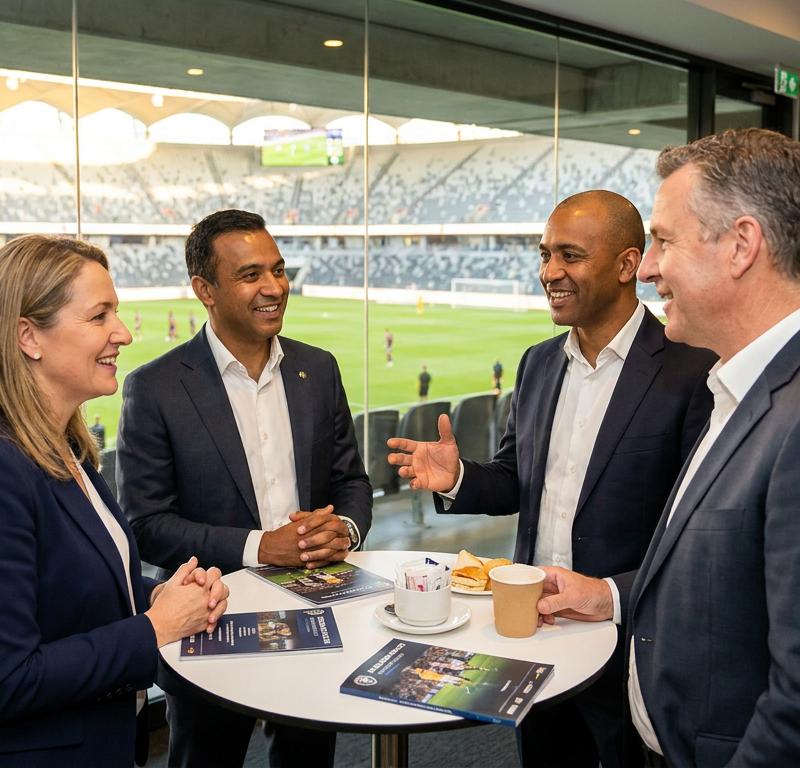
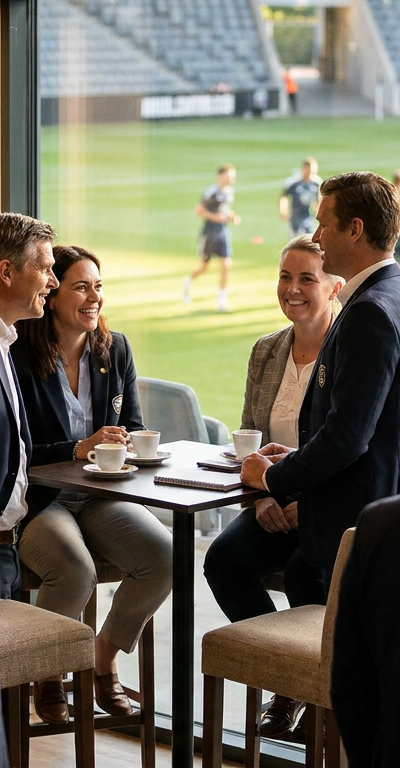
In many sports clubs, the network meeting is a fixed tradition, but there is a vast difference between a cozy coffee meeting and a professional business network that moves the bottom line for its members. To retain sponsors in a modern market, the club must assume the role of a proactive facilitator.
Networking is not just about bringing people together in the same room; it is about creating the right framework for trust to emerge and deals to be made. In this article, we dive into how you structure your events so they generate maximum engagement and become an indispensable part of your sponsors' business strategy.
Understanding the Three Levels of Engagement
When we talk about networking and events in the world of sports, we often see three levels of engagement. To create long-term relationships, you as a club must ensure that your events hit all three:
1. The Social Community
This is the foundation. People do business with people they like. Social events such as stadium tours, padel tournaments, or informal Friday bars build personal relationships. Without this foundation, purely business-oriented networking often becomes stiff and ineffective.
2. Professional Knowledge Sharing
Your sponsors want to get smarter. By including short presentations on management, marketing, or local business development at your events, you position your sports club as a knowledge center. This increases respect for the network and makes it relevant for decision-makers to prioritize their time with you.
3. Direct Business Creation
This is the hardest — but also the most valuable — level. Here, the club facilitates direct leads and introductions. This can happen through matchmaking sessions where the club has pre-paired companies that can benefit from each other's services.
Structuring the Perfect Network Meeting
The best events often follow a solid structure that ensures no one feels they are wasting their time. Time is the scarcest resource for a modern business leader, and therefore every minute of your event must be well thought out.
Always start with a short but precise welcome. Do not spend 20 minutes on practical announcements. Go straight to the heart of the matter: What is the purpose of today? If the purpose is "speed-dating" between suppliers and buyers, state it clearly right away.
An effective method is to divide the network into smaller groups. Large gatherings can seem overwhelming, and often people end up talking to those they already know. By using "table rotation" or pre-defined groups, you force members out of their comfort zone and ensure they meet new potential partners.
The Facilitator's Role: Moving from Host to Matchmaker
Many clubs make the mistake of merely being hosts. They provide food, drinks, and a good atmosphere. But the most successful clubs act as matchmakers. As the administrator of the network, you should know your sponsors' needs intimately.
Ask yourself: Who does the master carpenter need to talk to? Does the local bank need to meet the new entrepreneur in town? By actively bringing people together during the event itself — for example, by saying "Jens, have you met Søren from the IT House? He is actually looking for a new partner for his next construction project" — you create value that the sponsor will never forget.
Using Theme-Based Events to Create Engagement
Repetition can kill engagement. If every single breakfast meeting looks like the last one, attendance will slowly decline. Therefore, it is important to vary your events through themes.
Examples of themes could be:
- The Backstage Meeting: A look into the club's sporting engine room. How does the coach work with performance culture? How is that translated to the business world?
- The Growth Workshop: Invite an external expert to talk about digitalization, recruitment, or sustainability.
- Company Visits: Move the network meeting to one of the sponsors' locations. This gives the host the opportunity to showcase their business and provides other participants with fresh inspiration.
Digital Support for Physical Meetings
Networking doesn't stop when the lights go out after an event. To keep the momentum going between physical gatherings, it is essential to have a digital platform or strategy. This could be a closed group on LinkedIn, a dedicated app, or a member directory where everyone can see each other's contact info and areas of interest.
The digital platform should function as the club's "yellow pages." If a sponsor needs a painter, the first thought should be to search the club's network. By making it easy for members to find each other digitally, you significantly increase the overall value of the membership.
Measuring the Success of Your Events
How do you know if your networking activities are working? The number of participants is an important KPI, but it doesn't tell the whole story. You should also measure:
- Retention Rate: How many of the existing sponsors renew their contracts?
- Guest Conversion: How many guests at your events end up becoming paying members of the network?
- Satisfaction Surveys: Send out a short survey after each event. Ask specifically: "Did you create new relevant contacts today?"
Networking as Part of the Club's DNA
To succeed with networking and events in the long run, it should not be seen as something "extra" you do for sponsors. It must be an integrated part of the club's strategy. This requires resources — both time and skills among staff or volunteers.
Remember that sport is the "glue" that binds everything together. Use sporting highlights as a framework, but never forget that for the business community, the network is an investment. By combining passion for the sport with a rock-solid focus on business facilitation, you create a foundation that can sustain the club's finances for many years to come.
Conclusion: Action Over Talk
The most valuable networks are those where participants feel they get more back than they invest — both in time and money. Start small if you are building a new network, but be consistent. Ensure high quality in facilitation, be brave enough to steer the conversation, and never forget to follow up after every event.
When your sponsors start doing business with each other across the board, you know that your network has become a real business engine for the local area. This is where true loyalty is created.