From Relationship Building to Signature: How to Structure Your Daily Sponsorship Work
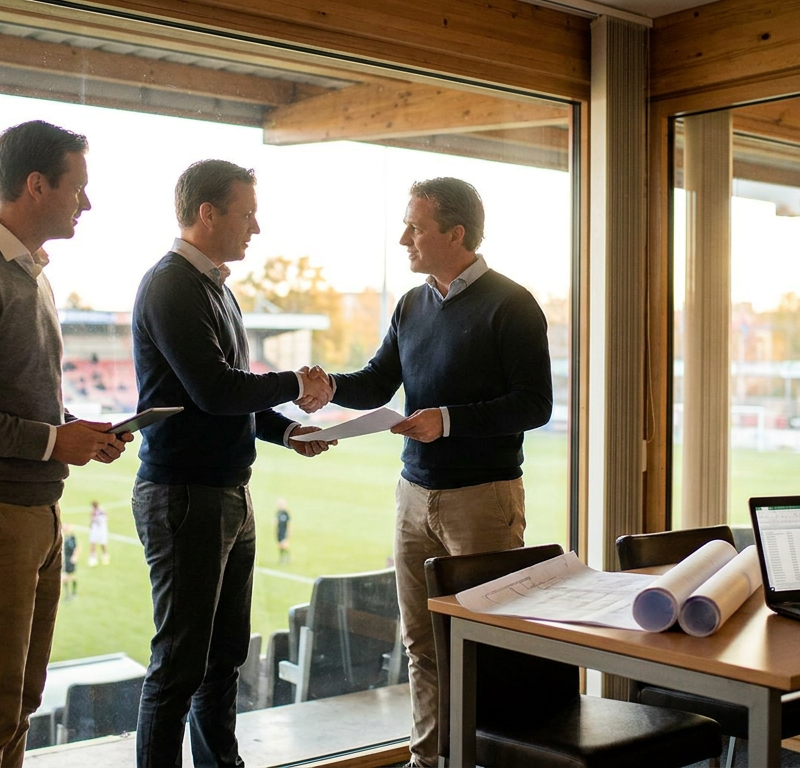
Sponsorship work in a modern sports club today is about much more than just selling a sign at the stadium or a logo on a jersey. It is about creating value for the business community while ensuring the club's financial foundation. For many clubs, the process of sponsorship sales can seem overwhelming if there isn't a fixed structure and a clear plan for managing relationships.
In this guide, we dive into how you can systematize your sponsorship work so it becomes a natural and effective part of daily club operations. By shifting focus from random calls to strategic relationship building, you can increase your success rate and create the foundation for long-lasting partnerships.
Preparation: Know Your Product and Your Target Group
Before initiating outreach sales work, it is essential to have a clear understanding of what the club actually offers. Many clubs make the mistake of approaching the business community with a "hat in hand" approach, asking for support rather than offering a real partnership. To professionalize your sponsorship work, you must first define your unique value proposition.
Identify Your Assets
What does your club have that a company might be interested in? It's not necessarily just exposure. Consider the following:
- Reach: How many people see your posts on social media, and how many visit your facilities?
- Demographics: Which segments do you reach? (Families with children, decision-makers in the local business community, seniors?)
- Network: Can you facilitate access to other companies through a business network?
- CSR and Values: How do you work with inclusion, health, or sustainability?
Once you have mapped your assets, it becomes easier to identify the right potential sponsors. A local master carpenter might need labor and local visibility, while a larger bank might be looking for good stories about social responsibility.
The Sales Process: From Prospect to Partnership Agreement
Effective sponsorship sales require a disciplined approach. It is rarely the first call that leads to a signature. It requires follow-up and an understanding of the company's needs.
Segmentation of Potential Partners
Start by building a list of potential prospects. Divide them into categories so your message is targeted. A company that has never sponsored sports before must be approached differently than a company that is already active in other clubs. Look at your current members' workplaces; there is often a "warm" lead here that makes the initial sponsorship work much easier.
The Good Meeting
When you secure a meeting, 80% of the time should be spent listening. Ask questions like: "What is your biggest marketing challenge right now?" or "How do you measure success on your current sponsorships?". By understanding their business, you can tailor your sponsorship agreements to solve a specific problem for the company.
Sponsorship Management: Systematics in Daily Life
Once the agreement is secured, the real work begins. Sponsorship management is the discipline that ensures sponsors actually get what they paid for – and that they want to renew their agreement when it expires. Without structured management, the club risks losing track of deliverables, which creates dissatisfaction.
Data Storage and Documentation
It is crucial to have one central location where all information about your partnerships is gathered. If knowledge about an agreement only exists in the head of one volunteer, the club is vulnerable. Make sure to document:
- Contact persons and direct phone numbers.
- Duration of the agreement and notice periods.
- Specific deliverables (e.g., 2 posts on Facebook annually, logo in the match program, 4 VIP tickets).
- Photo documentation of installed signs and logos.
A professional approach to sponsorship management also means proactively contacting the sponsor during the season – not just when the invoice needs to be sent or the agreement needs to be renegotiated.
Developing Partnerships Through Activation
One of the biggest trends in modern sponsorship work is the transition from passive sponsorships to active partnerships. Activation is about bringing the sponsorship to life so it isn't just a logo on a wall.
Concrete Examples of Activation
To make your sponsorship sales more attractive, you can suggest concrete activation opportunities:
- "Player of the Month" sponsored by a local café: The winner gets a gift card, and the café gets content for their own social media.
- Sponsor Events: Invitation to an exclusive evening with the coach or a networking breakfast before a match.
- Digital Campaigns: Let a sponsor "take over" the club's Instagram story during a major event.
By helping the sponsor activate the partnership, you create a much higher ROI (Return on Investment) for them. This makes your club an indispensable partner rather than just an expense item in their budget.
Financial Management and Invoicing
Sponsorship work is inextricably linked to the club's finances. Therefore, it is important that there is a close link between sales work and bookkeeping. Errors in invoicing or lack of follow-up on unpaid sponsorships send an unprofessional signal and can damage the relationship.
Make sure to have a fixed process for:
- Sending out invoices immediately after the agreement is signed.
- Following up on debtors.
- Budgeting expected sponsorship income versus realized income.
When your sponsorship management is digitized and systematized, it frees up time for volunteers to focus on what really matters: building relationships and creating new partnerships.
Evaluation: How Do We Know if it Works?
The final step in healthy sponsorship work is evaluation. At the end of the season, you should review your portfolio. Which sponsorship agreements were most successful? Where did we spend too much time relative to earnings? And most importantly: Did our partners receive the value they expected?
Hold an annual evaluation meeting with your largest partners. Ask them directly: "What worked well this year, and what can we do better next year?". This dialogue alone can often be the basis for an upgrade of their current agreement because they feel seen and heard as an integrated part of the club.
Summary of the Good Process
To succeed with your sponsorship work, you must think of long-term relationships rather than quick money. This requires a combination of good preparation, targeted sponsorship sales, flawless sponsorship management, and ongoing dialogue about activating your partnerships. When these elements work together, the club will experience more stable finances and a stronger local foundation.