From Cold Contact to Signed Deal: A Step-by-Step Guide to Effective Sponsor Sales
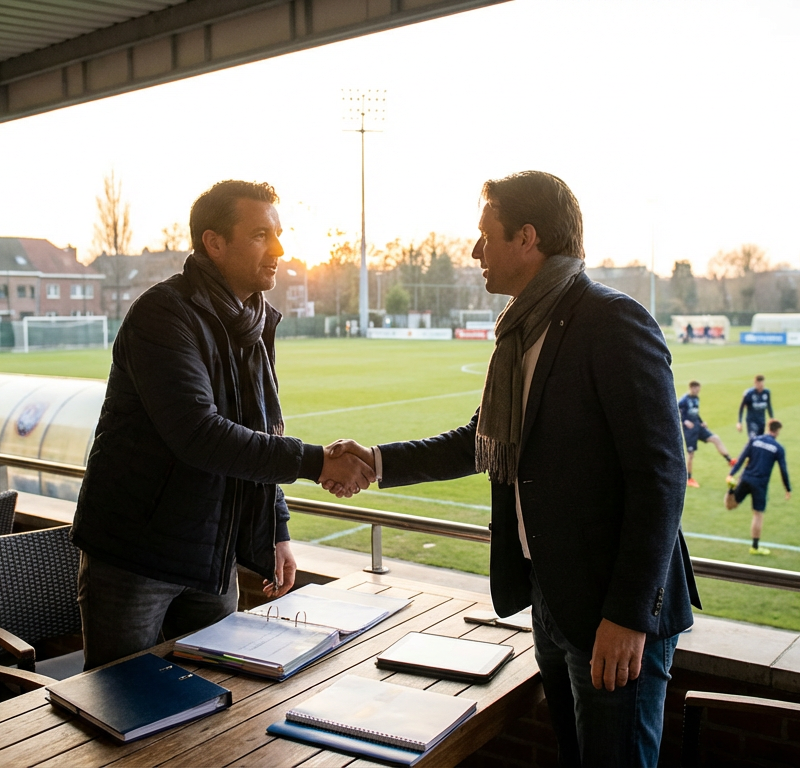
Sponsorship work is the lifeblood of most Danish sports clubs. Whether it's the local amateur club or a professional elite venture, the ability to attract and land new sponsorship agreements is crucial for the club's survival and development opportunities. However, many clubs struggle with an unstructured approach, where sales often depend on the networks of specific individuals or random inquiries.
To elevate your sponsorship work to the next level, a methodical approach is required. It's not just about asking for money, but about building mutually beneficial partnerships. In this guide, we go through the concrete steps your club should take to professionalize your sponsor sales and ensure a steady stream of sponsorship income.
Step 1: Identify your unique value proposition
Before you reach out to potential sponsors, you must have a clear understanding of what you are actually selling. Companies today increasingly view sponsorships as a marketing investment rather than pure charity. Therefore, your "product" must be sharply defined.
What can your club offer?
Think beyond the classic stadium sign or the logo on the jersey. Consider the following assets:
- Digital reach: How many followers do you have on Facebook and Instagram? How many people open your newsletters?
- Networking opportunities: Do you have a business network where local companies can meet and trade with each other?
- CSR and values: Does the club work with inclusion, youth development, or sustainability? This is extremely valuable for corporate brand images.
- Exclusive access: Opportunities for hospitality at matches, talks with the coach, or use of the club’s facilities for corporate events.
Step 2: Segmentation and lead generation
Once the value is established, you need to find the right leads. One of the biggest mistakes in sponsorship work is using a "shotgun approach" and contacting every business in the municipality with the same standard offer.
Start by segmenting your potential sponsors into three categories:
- The local network: Businesses owned by parents, members, or former players. Here, the entry point is easier because the relationship already exists.
- Strategic matches: Companies whose target audience matches your members. A sports shop is an obvious match for a handball club, while a carpenter might seek visibility among homeowners within the club family.
- Value-based partners: Larger companies that want to support specific causes, such as your girls' department or e-sports initiative.
Building a master list
Use tools like LinkedIn, business registries, and the local newspaper to find growing companies. A business that has just won a large order or moved to new premises is often more receptive to new partnerships.
Step 3: The first contact and the initial meeting
The goal of the first contact is never to sell a sponsorship agreement immediately. The goal is to get a meeting. Avoid sending long PDF presentations as the first step. Instead, send a short, personal message or pick up the phone.
Example: "Hi [Name], I'm calling from [Club]. We've been following your exciting development in the local area. We are currently working on a number of new initiatives regarding our youth department, which I believe could be relevant to your CSR profile. Do you have 20 minutes for a cup of coffee next week?"
Listen more than you talk
When you sit down for the meeting, be curious. Ask about the company's challenges: Do they want more sales? Are they lacking labor? Do they want to increase brand awareness in town? Only once you understand their needs can you present the right solution from your club portfolio.
Step 4: Crafting the value-adding proposal
Based on the conversation, you now put together a tailored proposal. Use your standard packages as a starting point, but don't be afraid to customize them. If the company needs apprentices, your partnership could include a "Job-match day" in the clubhouse rather than just a pitch-side sign.
A professional proposal includes:
- A summary of the company's goals (show that you have listened).
- The specific assets in the agreement (what do they get?).
- Price and duration.
- A clear timeline for implementation.
Step 5: Negotiation and closing the deal
Sponsor sales require follow-up. Many deals fall through because the club forgets to follow up after the first meeting or the sent proposal. Systematize your sponsor management and book fixed times in your calendar for follow-ups.
If price is a barrier, try to shift the focus from "cost" to "investment." If a sponsorship deal costs DKK 10,000 but gives the company direct access to 500 potential customers in their target group, the cost per contact is very low compared to other media channels.
Step 6: Effective processes for sponsor management
Once the signature is secured, the real work begins. Professional sponsor management is about ensuring that the customer gets what they paid for. One of the most frequent reasons sponsors cancel their agreements is the lack of delivery on the agreed counter-services.
Implement fixed routines for:
- Onboarding: Send a welcome email, obtain their logo in high resolution, and introduce them to the club's network.
- Documentation: Take photos of their sign, their logo on the jersey, or tag them in a social media post. Send it to them so they see the value immediately.
- Ongoing contact: Don't let the next call be when the invoice for the next season needs to be sent. Invite them to matches, send them a newsletter, or simply call to hear how their business is doing.
The importance of a digital structure
As the number of partners grows, manual handling in Excel sheets or loose documents becomes insufficient. This leads to forgotten renegotiations, missing invoicing, and dissatisfied sponsors. A successful sports club uses systems that gather all data in one place.
When you have a centralized overview of all your sponsorship agreements, you can easily see when an agreement expires, who the contact person is, and which specific assets need to be delivered. This provides peace of mind for volunteers and professional security for the sponsor.
Conclusion
Sponsorship work is a team sport that requires patience and structure. By shifting the focus from "asking for help" to "creating value," you change the dynamics of your sales work. Start by defining your values, be systematic in your outreach, and always keep your promises through good sponsor management. In this way, you don't just build a list of sponsors, but a strong foundation of loyal partners who support the club for many years to come.