Effective Workforce Management: How to Structure Shift Planning and Retain Volunteers
In every Danish sports club, volunteers are the very foundation. Without a strong workforce, there would be no lined pitches, open cafeterias, or coaches for the youth teams. However, many clubs find that the pressure on a few regular faces becomes too great, while the potential of other members and parents remains untapped.
The key to a well-functioning club is not just finding more hands, but creating a structure for workforce management and staff planning that makes it easy, transparent, and fun to contribute. In this article, we dive into how your club can optimize shift handling and ensure a stable workforce throughout the season.
Create an Overview with a Strategic Needs Analysis
Before you can begin filling shifts, it is necessary to know exactly what manpower is needed. Many clubs make the mistake of searching for "volunteers for the club" in general terms, which often results in few inquiries. To succeed in your recruitment and planning, you must break the need down into specific tasks.
Start by mapping out the season's activities. This includes everything from regular weekly training sessions to major tournaments, clean-up days, and administrative tasks behind the scenes. By dividing tasks into small, manageable pieces, you make it much more comfortable for a new member or parent to say yes.
Example of Task Distribution:
- Saturday Tournament: 4 people for café shifts (2-hour intervals), 2 parking attendants, 1 announcer.
- Match Days: 2 linesmen, 1 person for laundry, 1 referee coordinator.
- Administration: 1 webmaster (2 hours a month), 1 membership coordinator.
Effective Staff Planning Through Transparency
One of the biggest frustrations for volunteers is unpredictability. If someone signs up for a shift but doesn't know what the task entails or who they will be working with, it can create uncertainty. Good staff planning is about removing all barriers to participation.
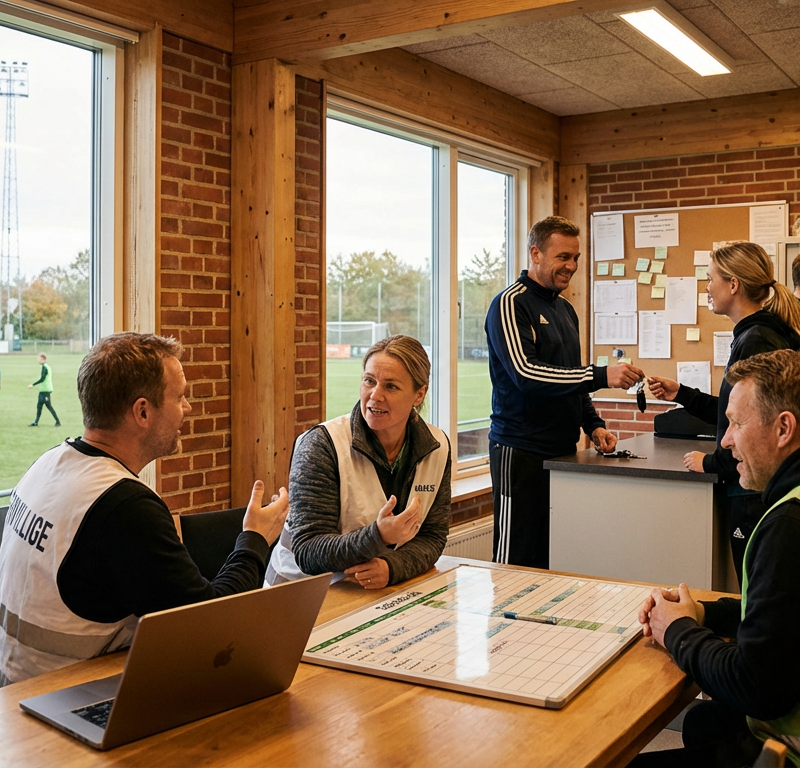
Use a digital tool to make shifts visible. When members can see for themselves where hands are needed and which of their friends from the club have already signed up, a natural social dynamic is created. It also removes the "beggar role" that many club leaders feel they end up in when they have to send out desperate emails the day before an event.
Ensure that the shift schedule is available well in advance. A good rule of thumb is to have the plan ready for the next quarter, so people can plan their free time around the club's needs, rather than the club having to fight for the few available slots in people's calendars at the last minute.
Shifts That Motivate: Make It Easy to Say Yes
When we talk about manpower in a sports club, we must remember that volunteers "pay" with their time. Therefore, the experience surrounding the shift must be professional and valuable. It starts with a proper welcome.
Consider creating short "job descriptions" or "shift manuals." If a parent is to work in the café for the first time, there should be clear instructions on how the coffee machine works and where the cash register is located. When volunteers feel prepared for the task, their stress levels drop, and the likelihood of them volunteering again increases significantly.
Three Factors That Increase the Desire for Shifts:
- Social Interaction: Pair friends or neighbors on shifts together. Workforce management is largely about the social glue that binds the club together.
- Recognition: Ensure that the shift coordinator says thank you when the shift is over. A simple cup of coffee or a sausage after finishing work makes a difference.
- Flexibility: Avoid 8-hour shifts. Divide them into 2-3 hour intervals, making it possible to combine volunteering with a busy family life.
Optimizing Recruitment Through Networks
Recruiting new staff should never be a one-off event at the start of the season. It must be an integrated part of the club's culture. Instead of looking for one person who can do everything, look for the specific skills your members already possess.
Reach out to new parents personally. Studies show that the most effective form of recruitment is the personal approach. When you ask: "Would you like to help flip sausages this Saturday from 10 to 12?", it is harder to say no than to a general message on Facebook. By targeting your staff planning directly at specific profiles, you ensure that people feel selected and valued.
Handling Cancellations and Critical Gaps in the Shift Schedule
Even the best planning can be challenged by illness or unforeseen events. A professional approach to workforce management requires a backup strategy. Instead of the board always taking the extra shifts (which leads to burnout), an "emergency list" can be created.
An emergency list consists of people who have agreed to be contacted at short notice, in exchange for perhaps not being locked into the ordinary shift schedule. This creates flexibility for both parties. Additionally, it is important to have a clear culture regarding cancellations – if you cannot make it, you are (if possible) responsible for finding a replacement or a swap partner.
Digitalization as a Lever for Volunteerism
In the modern sports club, Excel spreadsheets and notes on the bulletin board are no longer sufficient to handle complex workforce needs. Digitalizing your shift management is crucial to reducing the administrative burden on those in charge.
When systems communicate, you can easily send out reminders, see statistics on who contributes the most, and ensure that no one is overloaded. It also allows for saving data from year to year, so you know exactly how many volunteers are needed for next year's summer tournament based on experiences from the previous one.
Key Features in a Shift Planning System:
- Self-service: Volunteers can choose the times that suit them best.
- Automatic Reminders: SMS or email the day before the shift reduces no-shows.
- Communication Channels: Ability to send messages directly to everyone on a specific workforce team.
Retention: Shifting Focus from Task to Person
Workforce management does not stop once the shift is filled. The real effort happens in the time between shifts. Retaining volunteers is about making them feel like part of something bigger. Invest in your workforce by hosting volunteer parties, providing club branded clothing, or offering relevant courses (e.g., coaching courses or first aid).
When a person feels that their effort is noticed and that they get something exciting in return – either socially or in terms of skills – they become loyal to the club. A stable group of volunteers reduces the need for constant recruitment and provides peace of mind to focus on sporting development and club growth.
By using these principles for staff planning and workforce management, your sports club can create an environment where it is natural and passion-driven to lend a hand. It is about structure, recognition, and the right tools to make the work manageable.