Centralized vs. Decentralized Staff Management: Which model strengthens your club?
Volunteers are the engine of every sports club, but how to best organize this staff is a question that often divides opinions in boardrooms. The choice often lies between two fundamentally different approaches: the centralized model, where a few people have the full overview, or the decentralized model, where tasks and responsibilities are spread out across individual departments or teams.
When we talk about staff planning in a voluntary context, it's not just about filling a shift schedule. It's about culture, communication, and the ability to maintain the engagement that drives the work. In this article, we compare the two models so your club can make an informed decision on how your recruitment and daily operations should be structured.
The Centralized Model: Control and Economies of Scale
In a centralized model, all staff management is controlled from one point – often by a volunteer coordinator or a secretariat. Here, all needs for shifts are gathered, whether they involve the kiosk, tournament execution, or maintenance of the facility.
Advantages of Centralized Control
The biggest advantage of this model is the overview. By having one central database of all volunteers, the club can ensure that the same people aren't asked every time, while others are never activated. This provides a fairer distribution of the workload.
Another advantage is consistency in communication. When recruitment takes place centrally, you ensure that everyone receives the same information and that the club's values and guidelines are respected across all projects. It also makes it easier to collect data on which shifts are hardest to fill, allowing you to adjust your strategy for the future.
Disadvantages of the Centralized Model
The risk of the centralized model is the distance to the volunteers. A top-down process can feel impersonal. If a parent or a member receives a generic invitation to a shift from an administrator they have never met, the chance of a "no" is often higher than if the request came from someone they have a direct relationship with.
The Decentralized Model: Proximity and Ownership
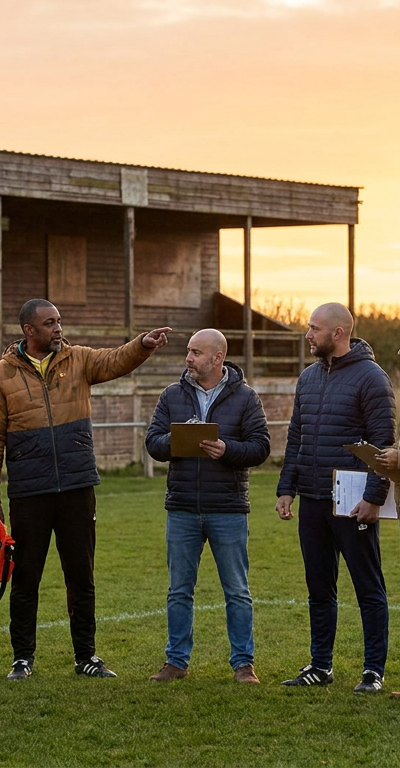
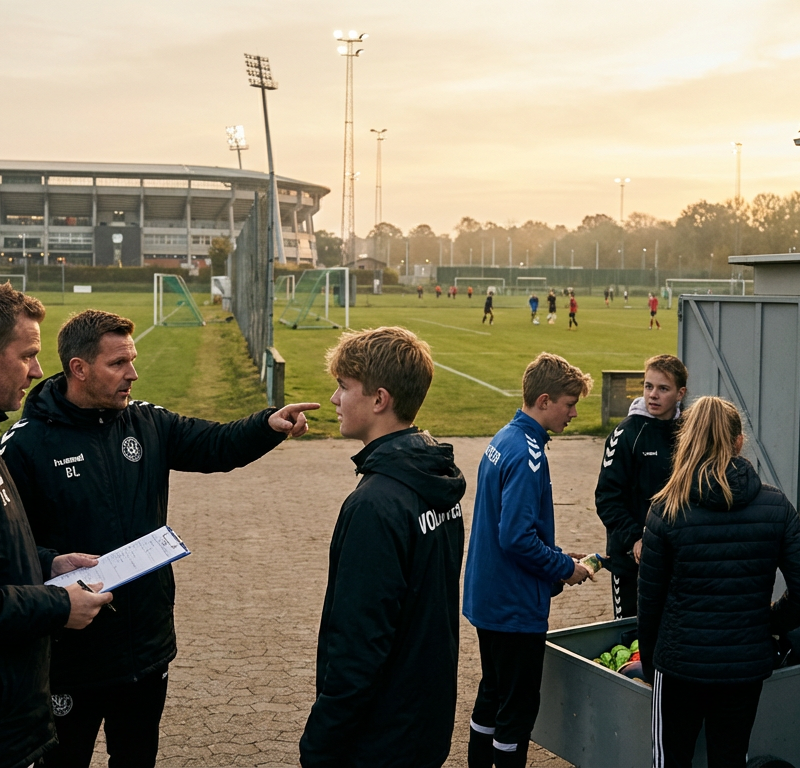
The decentralized model places the responsibility for staff and shifts within the individual units of the club. This might be the individual coach or team leader who is responsible for ensuring that their team's parents cover specific shifts during the season.
Relational Recruitment
The strength here is personal knowledge. A team leader knows exactly who among the parents has the capacity and who possesses specific skills. Recruitment in this model often feels less like "work" and more like a social obligation to the team and the community. When the question is: "Will you help us get the boys' tournament running?", it's hard to say no.
Challenges with Silo Thinking
The major downside is the risk of "silo thinking." When each team looks after itself, the club loses the overall overview. This can result in some teams carrying a disproportionately large share of the load, while others get off easy. There is also a risk that important club-wide tasks – such as the big annual sponsor run – are overlooked because everyone is focused on their own immediate tasks.
Comparison: How the Two Models Perform
To choose the right path, you must look at how the models affect various aspects of club operation:
1. Time and Resources for Administration
Centralized planning often requires a large investment of time from a few people. Here, IT tools for staff planning are essential to avoid manual entry in Excel. Decentralized planning spreads the time consumption out, so it feels like less for the individual, but the total time consumption across the whole club can paradoxically be higher due to duplication of work.
2. Scaling and Growth
If the club grows rapidly, the centralized model wins. It is easier to scale systems and processes than to train 20 new team leaders in how they each handle shifts. The decentralized model, on the other hand, is often more robust in small clubs where everyone knows everyone and where formal systems would seem bureaucratic.
3. Volunteer Retention
Retention requires recognition. In the decentralized model, the volunteer receives recognition directly from the team leader and other parents. In the centralized model, one must be very careful to build in feedback mechanisms so that volunteers don't just feel like a number in a shift schedule.
The Hybrid Model: The Best of Both Worlds?
Many of the most successful sports clubs today use a hybrid solution. Here, the club sets the overall framework centrally, provides digital tools, and defines which tasks need to be solved. The actual filling of shifts is then delegated to the teams.
A Practical Example
Imagine a handball club hosting a large summer tournament. The board (central) creates all necessary shifts in an online system – e.g., "Timekeeping Court 1-4" and "Kiosk in Hall B". They then assign a number of "shift points" or specific time slots to each team in the club. The team leaders (decentralized) ensure that their parent groups distribute the shifts among themselves internally.
This ensures that the club has the overview and knows that all gaps will be closed, while the actual recruitment happens through the strong relationships within the teams.
How Do You Choose the Right Model?
To find the right strategy for your staff planning, you should ask yourselves the following questions:
- How complex are our operations? The more facilities and events, the more it speaks for centralized coordination.
- Do we have the right people? Do we have a person who is passionate about being a volunteer coordinator, or is our strength the many dedicated team leaders?
- What technical tools do we have? You cannot run a centralized model effectively without a digital system for shift management.
SEO and Future-Proofing Your Staff Management
Regardless of which model you choose, it is crucial that the process is transparent. Volunteers who understand *why* they are being asked to help and *how* their contribution makes a difference are more likely to stay. By using systematic approaches to your staff, you ensure not only that the sausages are turned in the kiosk, but that the club stands on a strong fundamental footing.
Remember that recruitment never stops. A good model for staff planning works like a funnel that constantly invites new members into the volunteer community, whether the invitation comes from a central source or from the sidelines.
Summary
There is no single correct answer, but the trend in modern sports clubs points toward a centralized framework with decentralized execution. This reduces the administrative burden at the top while maintaining the personal spark within the teams. By combining the two approaches, you create a robust setup where staff shortages become a rarity rather than a daily challenge.