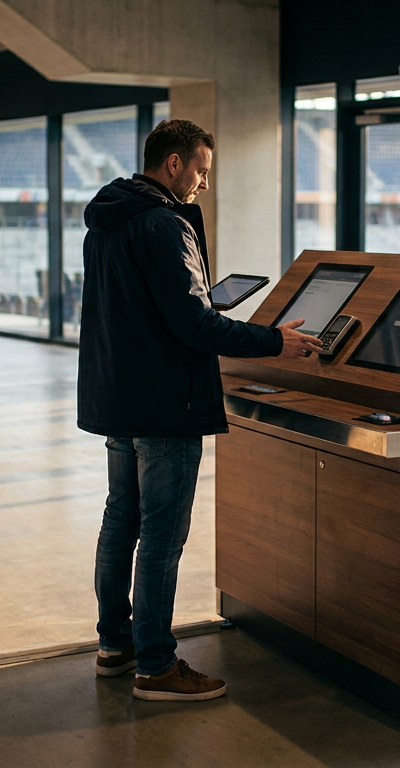
Best practices for ticket sales in sports clubs: From pricing to the digital experience
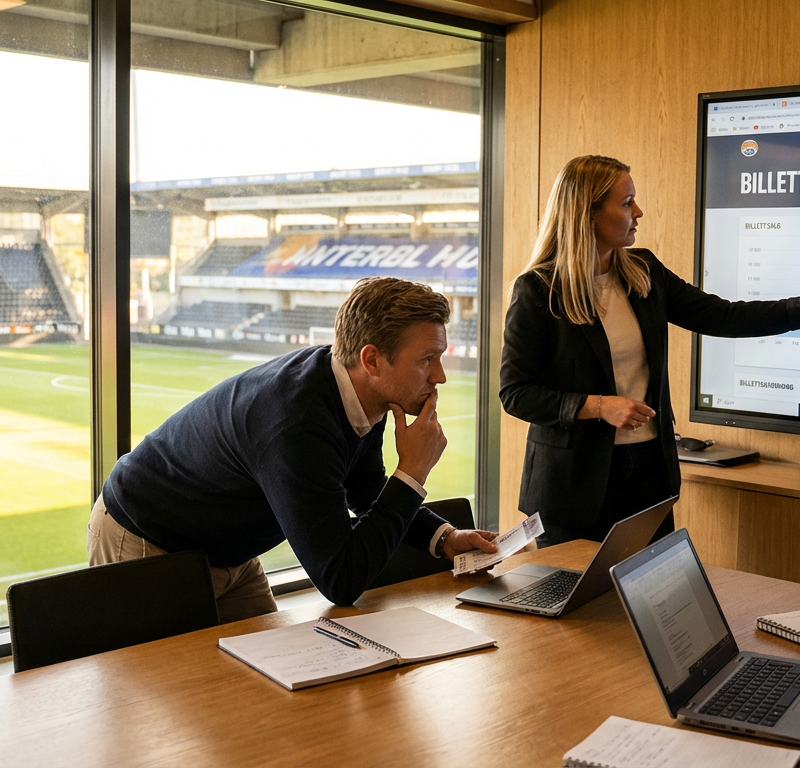
Ticket sales are the foundation of most sports clubs' finances and atmosphere. It is not just about moving an entry-granting barcode from a system to a buyer; it is about creating barrier-free access to the community and the experience at the stadium or in the arena. To maximize earnings and ensure full stands, a professional approach to both technology and psychology is required.
Create a frictionless digital buying experience
In a modern sports club, the experience starts long before the opening whistle. It starts the moment a fan decides to buy tickets. If the buying process is cumbersome, the club risks the potential spectator giving up halfway through.
One of the most important best practices is to minimize the number of clicks from "buy now" to the confirmation page. Ensure that your ticketing solution is mobile-optimized, as over 70% of online purchases today take place via smartphones. It must be possible to buy event tickets on the go – perhaps even while standing in line in front of the entrance.
Digital delivery and integration
Paper tickets are a thing of the past. By sending tickets directly to the fans' digital wallets or via email as a PDF, the club reduces administrative costs and saves time on match day. Ensure that your system can handle fast scanning at the entrance to avoid bottlenecks that can ruin the good atmosphere before kickoff.
Strategic pricing: More than just a number
Determining the right ticket price is a balancing act between the club's need for revenue and the fans' willingness to pay. Best practice here is to work with differentiated prices rather than a fixed flat rate for everyone.
Consider dividing the stands into categories based on view and comfort. A family-friendly section can have a lower price to attract the next generation of fans, while VIP or "premium" seats at midfield can command a higher price. By offering choices, you reach a broader segment of the local community.
Dynamic pricing and Early Bird discounts
Many successful clubs utilize Early Bird concepts. By rewarding fans who buy their tickets early, the club gets earlier certainty regarding expected attendance and liquidity in the account. Conversely, you can increase the price slightly on the actual match day (the so-called "door sale" fee) to motivate people to buy online well in advance.
Converting single buyers into loyal spectators with season tickets
The most valuable product in your ticketing is undoubtedly season tickets. A sold season ticket is guaranteed income regardless of the club's sporting results or the weather on match day. But how do you increase the sales of these?
Best practice is to make fixed passes more attractive than just the sum of all individual matches. Offer unique benefits such as:
- Pre-emptive rights for cup matches or playoff games.
- Exclusive events, e.g., "meet the players" nights.
- Discounts in the club's merchandise shop or concession stands.
- The option to "release your seat" if you are unable to attend, so the club can resell the spot.
The subscription model – the season ticket of the future
More and more clubs are moving away from the traditional season ticket that must be paid once a year toward a subscription model with monthly payments. This lowers the barrier to entry (the psychological cost of paying a large amount at once) and ensures a steady cash flow for the club all year round.
Data-driven marketing of tickets
To optimize sales, you need to know your buyers. Every time a person buys event tickets, they leave valuable data. Is your club using this data actively?
If a fan has bought a ticket for the last three home matches as individual purchases, they are an obvious candidate to receive a targeted offer for a season ticket for the rest of the season. By using segmentation in your email marketing, you can send relevant messages to the right people rather than "spamming" your entire database with the same content.
Trigger-based campaigns
Use historical data to send automatic reminders. If a previous spectator has not attended a match for two months, a "we miss you" email with a small discount code might be what brings them back to the stadium. It is far cheaper to retain an existing fan than to have to go out and find a brand new one.
Optimizing the match day experience
Effective ticket sales do not stop when the transaction is completed. The actual experience at the entrance is critical. If the scanning of tickets is glitchy or the lines are too long, it affects the desire to come back.
Ensure that staff or volunteers at the entrance are trained in the ticketing solution. There should always be a "Help Desk" or a dedicated person to solve technical problems with digital tickets so that regular lines keep moving. A good practice is also to have clear signage guiding people to the correct entrances based on their ticket type.
Using social media as a sales channel
Social media is not just for match reports; it is one of the most effective channels for direct sales. By integrating "Buy Ticket" links directly into posts on Facebook and Instagram, you make the path from inspiration to purchase extremely short.
Use button segments in your ads that lead directly to the specific match you are promoting. Also, feel free to share "social proof" – images of happy fans, full stands, or a counter showing "only 100 tickets left." Scarcity is a strong psychological driver to get people to act here and now.
Summary of best practices
To summarize, any professional sports club should focus on the following areas to optimize its ticket sales:
- Accessibility: Make it possible to buy tickets in 30 seconds via mobile.
- Pricing Strategy: Use differentiated prices and reward those who buy early.
- Loyalty: Make it easy and affordable to become a regular spectator via subscription solutions.
- Data: Collect and use knowledge about your fans to send relevant offers.
- Service: Ensure lightning-fast and problem-free access on the actual match day.
By implementing these strategies, the club moves from being reactive to being proactive in its commercial work. This creates not only better finances but also a stronger connection between the club and its supporters.