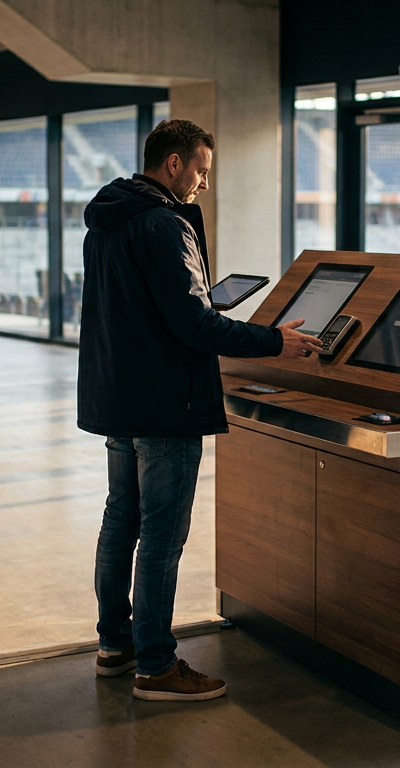
Best Practices for Modern Ticketing: Making the Stadium Experience Frictionless and Profitable
Ticket sales are the lifeblood of most sports clubs. It is not just a source of direct revenue, but also the engine that drives sales in the kiosk, the merchandise stand, and creates the foundation that sponsors invest in. In an era where the competition for people’s free time is tougher than ever, successful ticketing requires more than just opening the gates on match day.
To fill the stands, the club must master the balance between user-friendly technology, strategic pricing, and timely communication. This article reviews the most important best practices to ensure that your ticket sales run professionally and efficiently.
Make the purchase process as short as possible
The biggest barrier to high ticket sales is often a complicated purchasing experience. If a fan has to go through five different pages, create a complex user profile, and confirm their email before they can buy event tickets, you risk them dropping out in the middle of the process.
Best practice here is "Guest Checkout" or login via social media. The fewer clicks there are from the moment the customer clicks a link on Facebook until the ticket is in their digital wallet, the higher your conversion rate will be. Ensure the ticketing system is optimized for mobile, as over 70% of all ticket purchases today are made via smartphones.
Mobile tickets and digital wallets
Print-at-home tickets are on the way out. Modern fans expect to be able to present a QR code on their phone. By integrating with Apple Wallet or Google Pay, you make it easy for spectators to find their tickets while standing in line at the entrance, which reduces bottlenecks and frustration.
Strategic pricing: Differentiation creates growth
One of the most common mistakes in small and medium-sized clubs is having a single fixed ticket price for all adults. By introducing differentiated pricing, you can both increase total revenue and make the club more accessible to different segments.
Consider the following categories:
- Early Bird: Reward those who buy their tickets early (e.g., more than 48 hours before kick-off). This provides the club with liquidity and better predictability regarding staffing.
- Categorized seating: Charge a higher price for the best seats in the middle of the stand and a lower price for seats with restricted views or behind the goals.
- Family packages: It should pay off to bring the whole family. Bundle solutions with, for example, 2 adults and 2 children at a reduced total price are an effective way to increase overall attendance.
Season tickets: The foundation of your community
Season tickets are more than just access to matches; they are a loyalty program. For the club, season ticket sales mean guaranteed income before the season has even started. But to get fans to commit, the value must be clear.
Best practice for season tickets includes added value that doesn't necessarily cost the club money. This could be exclusive access to player meetings, pre-emptive rights for cup matches, or discounts in the fan shop. The most important factor, however, is the "break-even point." A rule of thumb is that a season ticket should equal the price of approx. 60-70% of home matches. If a fan feels they are "saving money" after just 7 out of 12 matches, the decision to buy is much easier to make.
The subscription model is gaining ground
Several clubs are experimenting with a subscription solution rather than an annual season ticket. Here, the fan pays a small fixed monthly amount (e.g., £10), which lowers the barrier to entry and ensures the club a steady income year-round. It also makes administration easier, as the pass is automatically renewed.
Handling event tickets for special arrangements
Ticket sales aren't just about the match itself. Many clubs generate a large portion of their profit through special events like fan zones, pre-match sponsor events, or "meet-the-players" events. These event tickets should be integrated directly into the same platform as regular ticket sales.
When a fan buys a ticket for the match, the system should automatically suggest add-ons. "Would you like access to the VIP lounge for an extra £20?" or "Pre-order your match day menu and save 20%". This upselling is often where the largest margins are found, because the operational costs of handling one extra customer for an existing event are minimal.
Efficient access control on match day
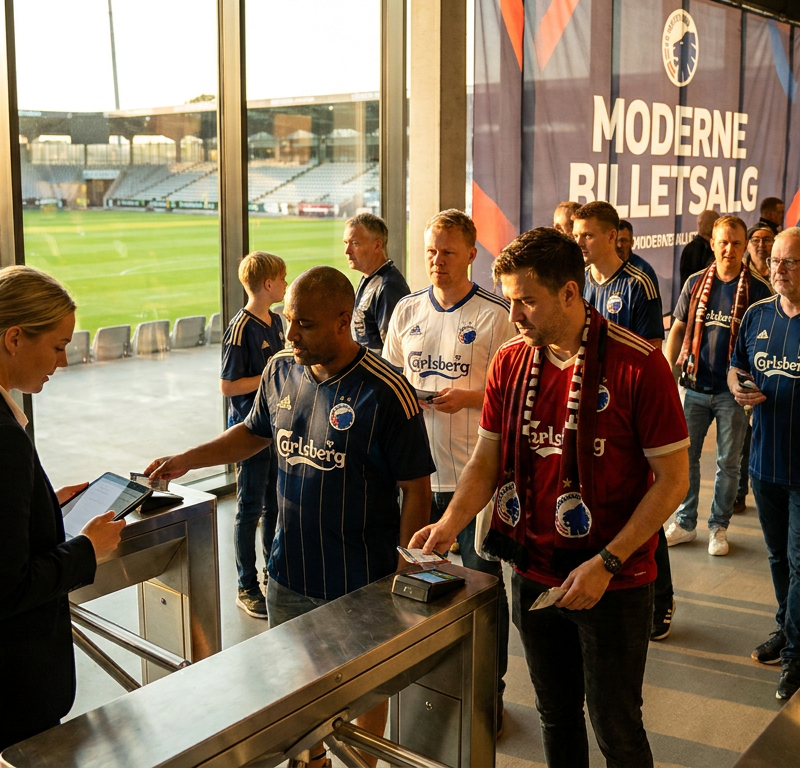
The best ticket sales in the world won't help if people are standing in line for 20 minutes to get in. Efficient scanning is the key to a good start to the experience. Professional clubs use fast scanners that can read screens even in direct sunlight or through scratched glass.
Here are three concrete tips for access control:
- Train your volunteers: Ensure they know the equipment and know what to do if a ticket is rejected (e.g., have a "troubleshooter" station next to the queue).
- Separate entrances: Have dedicated lanes for season ticket holders. This gives them a VIP feeling and ensures that the most loyal fans get to their seats quickly.
- Live data: Use a system that shows you in real-time how many people have passed through the turnstiles. This makes it possible to move staff to where the queue is longest or signal to the kiosk when to get the food ready.
Use data to sell more next time
Every time a person buys a ticket, they leave valuable data behind. One of the most important best practices is to use this data actively after the match. If a person has bought a ticket for one match, there is a high probability they will buy again if they receive the right prompt.
Send a follow-up email 24-48 hours after the match: "Thanks for coming! Did you see that amazing goal? Buy your ticket for the next home match now and get 10% off." By automating this process, you transform one-time buyers into regular spectators. You can also identify those who frequently buy single-match tickets and send them a targeted offer to upgrade to a season ticket.
GDPR and consent
Always remember to collect marketing consent during the purchase process. Make it easy to say yes by explaining the value: "Yes please, I would like to receive news about the team and exclusive ticket offers." Without this consent, you lose the opportunity to drive future ticket sales through direct channels like email and SMS.
Summary: The path to ticketing success
Effective ticketing is about removing friction. It must be easy to buy, easy to store, and easy to use the ticket. By combining a strong digital platform with strategic pricing models like season tickets and differentiated event tickets, the club can not only increase its revenue but also build a stronger database of loyal fans.
It requires dedication and the right tools, but the result in the form of full stands and a healthier economy is well worth the effort for any ambitious sports club.