Best Practices for Modern Sponsorship Management: Optimize Your Agreement Processes
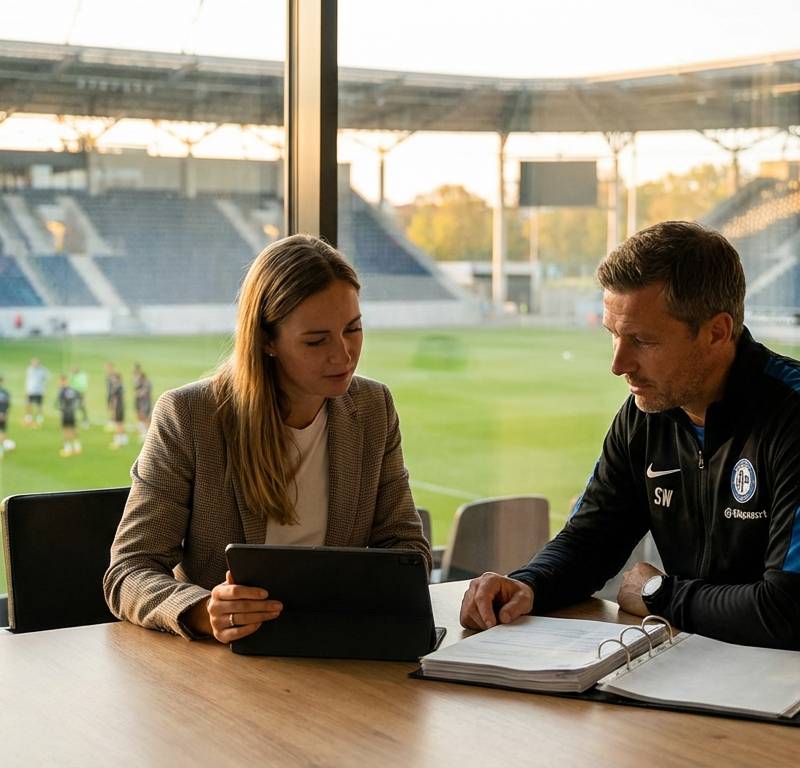
As the commercial landscape in the world of sports evolves, the demands on sports clubs' ability to execute their sponsorship agreements are increasing. It is no longer enough to simply sell a sign in the stadium or a logo on a jersey. Modern companies seek a return on investment (ROI), measurable results, and professional management.
To succeed in sponsorship sales and retention, a structured approach is required, where the club acts as a professional business partner. This article dives into the best practices that separate the most successful clubs from the crowd when it comes to the daily operation of sponsorship work.
Establishing a Centralized Knowledge Base
One of the biggest challenges in many sports clubs is dependency on specific individuals. If the primary person responsible for sponsorships leaves, valuable knowledge about agreements, dialogues, and personal relationships often disappears with them. One of the most important best practices is therefore to centralize all data regarding your sponsors.
This means that all interactions – from the first coffee meeting to the final signature – are logged systematically. When you have a centralized overview, you ensure that no tasks fall through the cracks. You know exactly when a contract expires, which services have been delivered, and who the key decision-maker is at the sponsor's company.
Documentation of Activation
It is crucial to be able to document to the sponsor that they are actually getting what they pay for. A best practice is to create an "activation log" for each individual partner. Here, you can upload photos of their logo at matches, screenshots from social media, or participant lists from networking events. This documentation is worth its weight in gold when the contract is up for renegotiation, as it makes the discussion fact-based rather than based on gut feelings.
Create a Structured Annual Cycle for Sponsorship Work
Sponsorship work should never be an ad hoc task that is only prioritized when the coffers are empty. To create stability, the club should work from a fixed annual cycle that defines when different phases of sponsorship sales and management take place.
- Quarter 1: Focus on nurturing existing sponsors and executing winter activities.
- Quarter 2: Evaluation of the season and the first dialogues regarding renegotiation of agreements expiring in the summer.
- Quarter 3: Intensive new sales targeting companies' budget planning for the coming year.
- Quarter 4: Networking events and year-end wrap-ups where results are presented.
By following a fixed structure, the club avoids panic before the season starts and ensures a steady stream of income and activities throughout the year.
Segmentation and Valuation of Partnerships
A common mistake in many small and medium-sized clubs is having too many "standard packages." Best practice in modern sponsorship sales dictates working instead with segmentation based on the sponsor's goals. Some companies buy in for exposure, while others seek exclusivity or access to the club's business network.
Tailored Solutions Instead of Package Deals
While it is easy to have "bronze, silver, and gold packages," it sends a signal of a lack of interest in the sponsor's specific business. A better approach is to have a modular model where basic services are supplemented by tailored add-ons. If a local master carpenter wants apprentices, part of the agreement could be a targeted post on the club's social media aimed at young members, rather than just a sign in the hall.
Professionalizing Communication
The way you communicate with your sponsors reflects the club's professionalism. This applies both to the visual material in the sales phase and ongoing reporting. Use professional templates for your sponsorship agreements, presentations, and newsletters.
An often-overlooked best practice is to send out a dedicated "B2B newsletter" exclusively for the club's partners. Here, the content is not about the result of the weekend's match, but about networking opportunities, new partnerships in the club, and success stories from the business community around the club. It makes sponsors feel like part of an exclusive business club rather than just donors.
Effective Management of Rights and Deliverables
Once a sponsorship agreement is signed, the most important work begins: delivery. Sponsorship management is fundamentally about keeping what you promise. In most clubs, there are many small elements in a contract: tickets, logo placements, events, speaker spots, and web banners.
Checklists as a Management Tool
Implement systematic checklists for each individual sponsor. Before every home game or event, the person responsible should go through the list: Is the roll-up banner set up? Is the sponsor mentioned in the match program? Have they been invited to the pre-match event? By using checklists, you minimize the risk of errors, which in the worst-case scenario can lead to dissatisfied sponsors and terminated agreements.
Evaluation as a Springboard for Renegotiation
Many clubs make the mistake of waiting to contact the sponsor until 14 days before the contract expires. Best practice is to hold at least one annual evaluation meeting where nothing is to be sold, but where you solely listen. Ask: "Have we met your expectations?", "Which parts of the partnership have provided the most value?", and "Are your focus areas for the coming year the same?".
This dialogue makes it much easier to land a renegotiation later because you have already identified any challenges and can present a solution that addresses them. At the same time, it demonstrates a level of seriousness that strengthens the relationship and makes it harder for the sponsor to say no to a continuation.
Using Technology to Scale Efforts
As a club grows and acquires more sponsors, it becomes impossible to manage everything in Excel sheets or via emails. Professionalizing sponsorship work requires the right tools. Digital platforms can help automate invoicing, keep track of contract deadlines, and provide a quick overview of available sponsorships (inventory management).
By using technology for administrative tasks, you free up time for what really matters: the personal relationship with the sponsor. It is in the meeting between people that the strongest partnerships are created, but it is the strong underlying processes that ensure the foundation holds.
Final Thoughts on the Future of Sponsorship Work
Successful sponsorship work today is about the balancing act between the commercial and the relational. By implementing these best practices – from centralized data and structured annual cycles to tailored solutions and strong documentation – you build a professional platform that the business community wants to invest in.
Remember that a sponsor doesn't just provide support; they are buying a service. The more professionally you handle this service, the more attractive you become as a partner, which ultimately creates the financial framework necessary to fulfill the club's sporting and social ambitions.