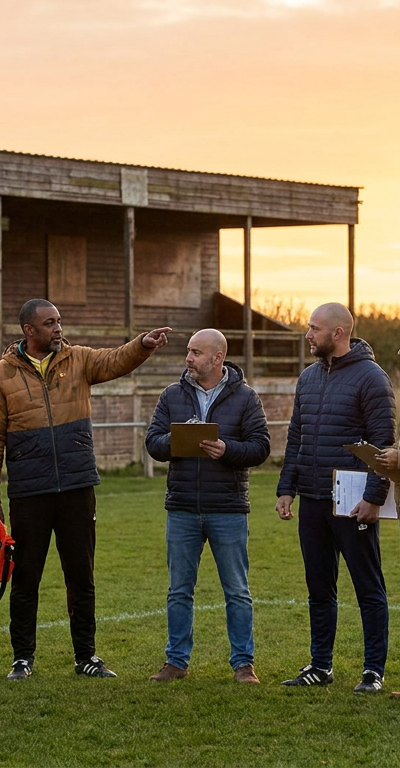
5 concrete tools for better staff planning and shift management in your sports club

In many Danish sports clubs, volunteers are the very foundation that keeps the wheels turning. However, even the most dedicated enthusiasts can lose their spark if the organization of their time feels chaotic or overwhelming. Professional staff planning is not just about filling all the spots in the kiosk or at the entrance; it is about creating security and structure for the crew that dedicates their free time to the club.
When we talk about volunteers and staff in a sporting context, the challenge is often that the "staff" are not paid. This means that classic management tools from the business world must be adapted so they weigh motivation and community as highly as efficient operations. Here is an in-depth guide on how to optimize your processes regarding shifts, recruitment, and the daily management of the club's resources.
1. Break tasks down into bite-sized pieces
One of the biggest barriers to recruiting new volunteers is the fear that the task is too time-consuming or undefined. If you look for a "kiosk manager," it sounds like a massive undertaking. If, on the other hand, you look for a person to "handle coffee brewing and sales from 10:00 AM to 12:00 PM this Sunday," it is suddenly much more manageable.
Effective staff planning starts with a razor-sharp task description. This means you must define your manpower needs right down to the specific shifts. What skills are required? How long does it take? Who should they report to if questions arise? By having these answers ready in advance, it becomes significantly easier to recruit, as the individual volunteer knows exactly what they are saying yes to.
Everyday example:
Imagine a football club hosting a large tournament. Instead of sending an email out to all parents saying "We need help this weekend," the club creates a digital shift schedule where they can choose between specific tasks such as: "Pitch marking (1 hour)," "Grill master (2 hours)," or "Announcer (4 hours)." This gives the volunteers control over their own time.
2. Create a digital roadmap for your shifts
The days of Excel sheets being sent back and forth via email, or physical notes on the bulletin board in the clubhouse, should be a thing of the past. A modern sports club needs a central system for handling staff and shifts. When your staff planning takes place digitally, you reduce the risk of gaps in the roster and ensure that everyone has access to the latest information.
A digital overview allows volunteers to book themselves into vacant shifts, swap them among themselves, and receive automatic reminders via SMS or email. This removes an enormous administrative burden from the club's management and simultaneously gives the volunteers a sense of professionalism. A well-structured shift plan sends a signal that the club is organized and values the volunteers' time.
3. Recruitment should be a year-round effort
Many clubs make the mistake of only focusing on recruitment when there is an acute shortage of staff – for example, just before the season starts or a major event. But the most effective strategy is to think of recruitment as an ongoing process. It’s about spotting talents and resources in and around the club every single day.
Look at your membership base and their relatives. Perhaps there is an accountant who wants to help with finances, or a carpenter who can fix the clubhouse in exchange for fewer shifts in the kiosk. By knowing your workforce personally, you can target your recruitment so individual volunteers feel that their specific skills are being utilized.
Practical tips for recruitment:
- Host "volunteer speed-dating" at the start of the season, where new members can hear about the various tasks.
- Make it easy to say "yes" the first time by offering small introductory tasks.
- Use your social media to highlight the faces and stories of volunteers rather than just posting "help wanted" ads.
4. Onboarding: Give your crew the best start
Once you have found the volunteers, it is crucial how they are received. A bad start is the fastest way for a person to withdraw again. Onboarding is about ensuring that the volunteer feels welcome and equipped for the task. It doesn't have to be a complicated course, but it requires a plan.
Create a small "shift manual" for the various functions. If someone is supposed to stand at the entrance and sell tickets, it’s nice to know how the cash register system works, where the trash bags are located, and whom to call if the coffee machine breaks down. Good staff planning always includes a plan for knowledge transfer so that volunteers never feel left alone with a task they don't understand.
5. Recognition and retention – more than just a thank you
Volunteers don't get a salary, but they still need to be "paid." Payment in volunteer work consists of recognition, social relationships, and a feeling of making a difference. If your staff planning only focuses on logistics and forgets the human factor, you will experience high turnover in your crew.
Regular rituals for recognition can make a big difference. It could be an annual volunteer party, a free club shirt, or just a personal call from the chairman after a successful event. The most important thing is that the volunteers are seen and heard. Ask them regularly: "How do you think the shift went?" or "Do you have suggestions for how we can do it smarter next time?". By involving your staff in the planning, you create ownership and loyalty.
Elements of good retention:
- Social events: Create space for socialization that has nothing to do with work.
- Benefits: Give volunteers access to pre-sale tickets, special discounts, or similar perks.
- Development: Offer courses (e.g., coaching courses or first aid) that also provide value privately.
The link between staff and club success
There is a direct line between how well you manage your volunteers and how strong the club stands financially and sportingly. If the administration of shifts is messy, the most competent volunteers will often drop out first because their time is too precious for chaos. Conversely, streamlined staff planning will attract more resourceful types because they can see that their efforts are being used effectively.
When you get your staff management under control, it releases energy to focus on all the fun things: the sport, the community, and the development of the club. Start small – digitize your shift schedule, define your tasks better, and remember to say thank you along the way. It is the small steps in daily planning that create long-term results.
By implementing these 5 tools, you will find that the challenge of finding and keeping volunteers diminishes. Recruitment becomes less of a struggle and more a natural part of the club, while your staff planning becomes the engine that drives the club forward toward new goals.