10 Essential Checkpoints for Your Strategic Event Calendar: Building Networks That Last
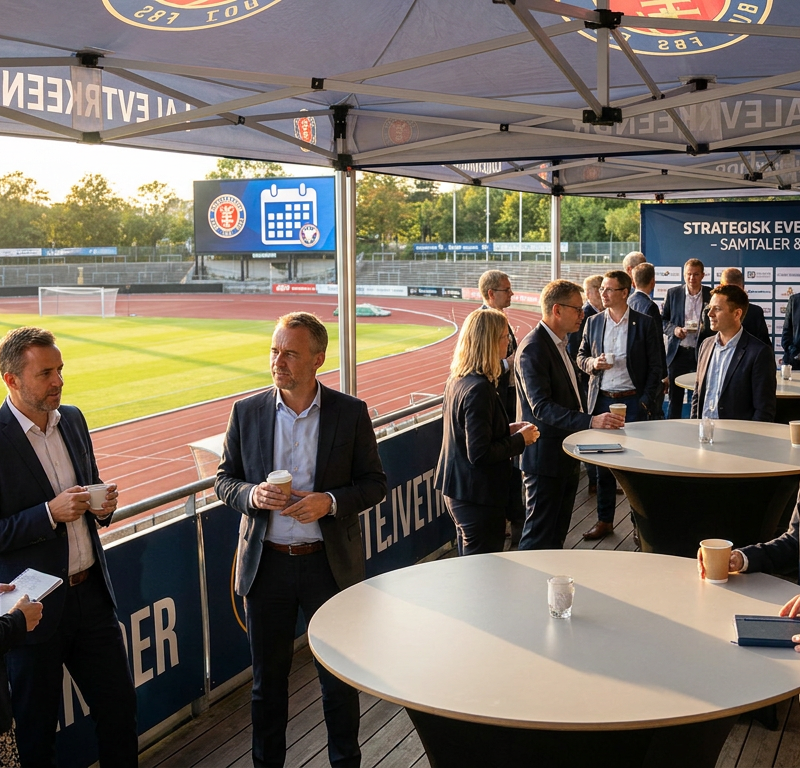
For many sports clubs, networking meetings and events are the heart of sponsorship. This is where relationships are built, and where financial support is transformed into business value for partners. However, hosting successful events requires more than just a good cup of coffee and an update on the first team's results. It requires a structured approach to facilitation, matchmaking, and value creation.
In this article, we review a series of critical checkpoints that every club should have in place to ensure that their networking and events do not just become pleasant gatherings, but strategic business platforms. By following this advice, you can increase engagement in your business network and make your club indispensable to the local business community.
1. Define the specific purpose of each event
One of the most common mistakes is holding "generic" networking meetings without a clearly defined goal. Each event in your calendar should have a specific focus. Should this meeting generate direct leads? Is it aimed at knowledge sharing? Or is the purpose purely social and relationship-building?
When you know the purpose, you can better select the right participants and tailor the program. If the purpose is knowledge sharing, an external speaker may be necessary. If it is matchmaking, more time should be allocated to structured conversation rather than plenary presentations.
2. Segmenting the network: The right match
Not all sponsors have the same needs. A large industrial company might be looking for different types of partners than the local master carpenter or a startup marketing agency. Therefore, segmentation is a crucial tool in your networking strategy.
Consider dividing some of your events by industry, company size, or decision-maker level. By bringing together people with similar challenges, you create higher relevance. The more relevant an event feels to the individual participant, the higher the engagement and the desire to return next time.
Real-life example:
A medium-sized football club saw increased success by introducing "Tradesman Lunches" once a quarter, where they exclusively invited decision-makers from the construction and engineering industry. The result was a more concrete exchange of projects because the participants spoke the same language and shared the same market conditions.
3. Networking facilitation: Make introductions easy
Many business people are good at talking to each other, but even more can feel a bit lost in a room full of foreign faces. Here, the club plays an important role as a facilitator. It is your job to help start the networking process.
Use methods like "Speed-networking," where participants get 3-5 minutes to talk to each other before moving on to the next person. Or appoint "ambassadors" within the network – experienced sponsors whose task is to welcome newcomers and introduce them to relevant contacts in the room.
4. Integrate the sporting spirit into your arrangements
Why do sponsors choose your sports club over a traditional business network in a trade association? The answer is the passion, the environment, and the unique access to sporting profiles. Make sure to integrate this into your events.
It could be a short presentation from the sporting director about the strategy before an important match, or a session with one of the key players about a winning mentality. By bringing the world of sports into the meeting room, you create an experience they cannot get anywhere else. This strengthens the sense of ownership and belonging to the club.
5. The technical setup: Logistics and communication
Nothing ruins an otherwise good event like poor logistics. A checklist should always include the basic elements:
- Are there enough parking facilities?
- Does the AV equipment work (projector, sound, microphone)?
- Is the catering aligned with the number of registrations?
- Is there clear signage to the meeting room?
Communication before the event is just as important. Send out a participant list 24 hours before the event so sponsors can see who they have the opportunity to meet. This allows them to prepare and makes it more likely that they will prioritize attending.
6. Digital follow-up and value after the event
An event does not end when the last guest has left. The real value is often created in the follow-up. How does your club ensure that the contacts made are maintained?
Send a follow-up email immediately after the event with a thank you, photos from the day, and any slides from the day's speaker. Also include a digital participant list with direct links to LinkedIn profiles or emails (remember GDPR consent). This makes it easy for participants to make the next contact.
7. Measuring results: What do they get out of it?
If you want to optimize your network, you must measure its success. It’s not just about how many people showed up, but what value they took home. Consider sending out a short survey after every third or fourth event:
- Did you make new contacts?
- Was the content relevant to your business?
- What can we do better next time?
This data is pure gold when you need to justify the price of the sponsorship to the company's management at the next contract renewal.
8. Continuity and the annual cycle
Networking requires time and repetition to bear fruit. Therefore, your event strategy should be based on a fixed annual cycle. Sponsors should know when to expect major events so they can plot them into their calendars well in advance.
A good mix could be monthly morning meetings, quarterly company visits to a sponsor, and two major profile events per year (e.g., a New Year’s reception or a summer party). Continuity ensures that relationships stay warm all year round, not just when the sport is in season.
Summary of your Networking & Events checklist:
- Is the goal for the event defined (Lead gen, social, knowledge)?
- Has the participant list been sent out in advance?
- Is structured matchmaking/speed-networking planned?
- Is a "behind the scenes" sporting element included?
- Do sound, light, and tech work 100%?
- Is the participant list segmented for maximum relevance?
- Is a digital follow-up planned within one day?
- Is feedback collected continuously for improvement?
By working systematically with these checkpoints, you move your sports club's network from being a passive assembly to being an active business machine. It creates loyalty among your sponsors and makes your club an indispensable partner in their growth journey.